
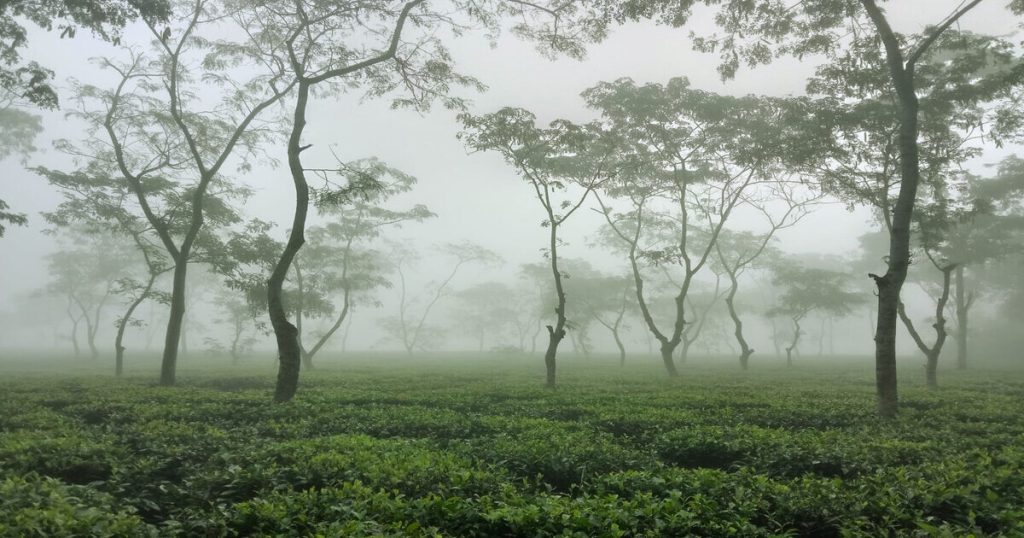
Tea is an aromatic beverage made by pouring hot or boiling water over cured or fresh leaves of the Camellia sinensis plant, native to East Asia. It is one of the most widely consumed and popular beverages globally, second only to water.
Tea comes in various types, including black tea, green tea, herbal tea, white tea, oolong tea, and pu’er tea, each with its unique characteristics and processing methods. The history of tea dates back thousands of years and has played a significant role in different cultures and societies.
In this introduction, we will delve into the origins, types, production, and benefits of tea, providing a comprehensive overview of this beloved beverage.
Understanding The History And Origins Of Tea
Tea has a rich history and fascinating origins. It is an aromatic beverage made from leaves of the Camellia sinensis shrub, which likely originated in China and Myanmar. Today, tea is one of the most widely consumed and beloved beverages in the world.
The Ancient Origins Of Tea
Tea, an aromatic beverage that has captivated millions of people around the world, has a rich and fascinating history that dates back thousands of years. Its origins can be traced to the ancient lands of southwestern China and northern Myanmar, where the Camellia sinensis plant, the source of tea leaves, is believed to have first grown. The discovery of tea is often attributed to the legendary Chinese emperor, Shen Nong, who is said to have unknowingly consumed tea leaves after a leaf fell into his boiling water.
Brief History Of Tea
The history of tea can be divided into several significant periods, each marked by the development and spread of tea drinking. The cultivation and consumption of tea became increasingly popular during the Tang dynasty in China (618-907 AD). Tea was initially regarded as a medicinal drink before it gained popularity as a social beverage among the Chinese elite. In the 9th century, a Buddhist monk named Lu Yu wrote the first definitive book on tea, called “The Classic of Tea,” which further contributed to the appreciation and understanding of tea in Chinese culture.
How Tea Became Popular Worldwide
The popularity of tea gradually spread beyond China as a result of trade and cultural exchanges. During the 17th century, European merchants and explorers discovered tea in China and introduced it to their respective countries. The British East India Company played a pivotal role in establishing tea as a global commodity, bringing it to Europe and making it a popular beverage among the British population. From there, tea quickly spread to other countries, such as India, Sri Lanka, and Japan, where it became an integral part of their respective cultures.
Tea Producing Countries
Today, tea is produced in several countries around the world, each with its own unique varieties and flavors. Some of the largest tea-producing countries include China, India, Kenya, Sri Lanka, and Japan. Each of these countries has its own distinct tea-growing regions and production methods, resulting in a diverse range of teas that cater to different tastes and preferences.
Exploring Cultural Significance
Tea has played a significant role in various cultures throughout history. In China and Japan, tea ceremonies have long been practiced, representing harmony, tranquility, and respect. In Britain, the tradition of afternoon tea became popular in the 19th century and continues to be a cherished social occasion. In India, tea is an integral part of daily life, with the popularity of chai (spiced tea) transcending all social and economic boundaries. Understanding the cultural significance of tea in different countries provides a deeper appreciation for this ancient beverage.
Various Types Of Tea
Tea is a popular aromatic beverage made from cured or fresh leaves of the Camellia sinensis shrub. It is widely consumed worldwide and comes in various types such as black, green, herbal, white, oolong, and more. Discover the rich history and health benefits of tea while exploring different brewing techniques and tasting notes.
Tea is a popular beverage enjoyed by people all over the world. With its wide range of flavors and aromas, there is a tea for every palate. From bold and robust black tea to delicate and fragrant white tea, each type offers a unique experience. In this introduction to tea, let’s explore the various types of tea and their distinctive characteristics.
Black Tea: Discovering The Bold Flavors
Black tea is known for its strong and robust flavor profile. It undergoes a full oxidation process, resulting in a dark color and intense taste. Popular varieties include Assam tea, Earl Grey, and Darjeeling tea. Black tea is often enjoyed with a splash of milk or sweetener, and it pairs well with breakfast and afternoon tea treats.
Green Tea: Unveiling The Health Benefits
Green tea is renowned for its numerous health benefits. It is loaded with antioxidants and is believed to boost metabolism, promote weight loss, and improve brain function. With its subtle flavor and grassy notes, green tea can be enjoyed hot or cold. Popular green tea varieties include Sencha, Jasmine tea, and Matcha, which is a powdered form of green tea.
Oolong Tea: Appreciating The Diverse Profiles
Oolong tea lies between black and green tea in terms of oxidation. It offers a wide range of flavors, from floral and fruity to toasty and nutty. Oolong tea is known for its complexity and is often enjoyed without any additives. Some popular oolong tea varieties include Tie Guan Yin, Da Hong Pao, and Milk Oolong.
Herbal Tea: Exploring The Caffeine-free Alternatives
Herbal teas, also known as tisanes, are not technically tea as they are not made from the Camellia sinensis plant. Instead, they are infusions of various herbs, flowers, fruits, and spices. Herbal teas come in a wide array of flavors and offer numerous health benefits. Popular herbal teas include chamomile tea, peppermint tea, hibiscus tea, and ginger tea.
White Tea
White tea is the least processed type of tea and is known for its delicate and subtle flavors. It is made from young tea leaves and buds that are picked before they fully open. White tea has a light and refreshing taste, often described as floral and sweet. It is high in antioxidants and is believed to have skin-boosting properties.
Yellow Tea
Yellow tea is a rare and highly prized type of tea. It undergoes a unique processing method that involves a slight oxidation and a gentle drying process. Yellow tea has a mellow and smooth flavor with hints of sweetness. It is often compared to green tea but with a less grassy taste.
Matcha
Matcha is a powdered form of green tea that is famous for its vibrant green color and earthy flavor. It is made from shade-grown tea leaves, which are stone-ground to a fine powder. Matcha is traditionally used in Japanese tea ceremonies and is gaining popularity worldwide for its energy-boosting properties.
Ginger Tea
Ginger tea is an herbal infusion made from ginger root. It is known for its spicy and refreshing taste. Ginger tea is often enjoyed for its soothing properties, aiding digestion and providing relief from nausea and inflammation.
Fermented Tea
Fermented teas, such as Pu’er tea and kombucha, undergo an additional fermentation process that gives them unique flavors and health benefits. Pu’er tea is known for its earthy and deep flavors, while kombucha is a fizzy and tangy probiotic drink.
Rooibos
Rooibos tea, also known as red tea, is a caffeine-free herbal infusion made from the leaves of the Rooibos plant. It has a naturally sweet and nutty flavor with hints of caramel. Rooibos tea is packed with antioxidants and is a popular choice for those looking for a caffeine-free alternative.
Lapsang Souchong
Lapsang souchong is a smoked black tea that originated from the Wuyi Mountains in China. It has a distinctive smoky aroma and flavor, thanks to its unique drying process over pine fires. Lapsang souchong is an acquired taste and is often enjoyed by those who appreciate its bold and smoky profile.
Ceylon Tea
Ceylon tea is a black tea that is grown in Sri Lanka. It is known for its bright and lively flavors with citrusy and floral undertones. Ceylon tea is often enjoyed as a hot beverage but is also used in iced tea blends.
Gunpowder Tea
Gunpowder tea is a type of green tea that is tightly rolled into small pellets. It gets its name from its resemblance to gunpowder. Gunpowder tea has a bold and slightly smoky flavor and is often used in traditional Moroccan mint tea. In conclusion, the world of tea offers a vast array of flavors and experiences. From the bold and robust black tea to the delicate and subtle white tea, each type brings its own unique charm. Whether you’re looking for a caffeine boost or a soothing herbal infusion, there is a tea to suit every taste and occasion. So take a sip and explore the diverse and tantalizing world of tea.
The Art Of Brewing Perfect Tea
When it comes to brewing the perfect cup of tea, it’s not just a matter of boiling water and adding tea leaves. The art of brewing perfect tea requires careful attention to detail, from choosing the right tea leaves to understanding water temperature and steeping times. In this section, we will explore the key factors that contribute to the art of brewing perfect tea.
Choosing The Right Tea Leaves
One of the most important aspects of brewing perfect tea is selecting the right tea leaves. The type and quality of tea leaves you choose will greatly impact the flavor and aroma of your tea. Here are some factors to consider when choosing tea leaves:
- Quality: Look for loose-leaf teas that are fresh and well-processed. High-quality tea leaves will produce a more flavorful and aromatic brew.
- Origin: Different tea-growing regions have their own unique flavors and characteristics. Experiment with teas from different origins to discover your preferences.
- Type of tea: There are various types of tea, such as black, green, oolong, and herbal. Each type has its own distinct flavors and brewing requirements. Choose a tea type that suits your taste preferences.
- Blend or single-origin: Decide whether you prefer single-origin teas or blends that combine different types of tea leaves. Blends can offer a unique flavor profile.
Understanding Water Temperature And Steeping Times
The water temperature and steeping time are crucial factors in achieving the perfect cup of tea. Here’s what you need to know:
| Type of Tea | Water Temperature | Steeping Time |
| Green Tea | 70-75°C (158-167°F) | 1-3 minutes |
| Black Tea | 95-100°C (203-212°F) | 3-5 minutes |
| Oolong Tea | 85-90°C (185-194°F) | 3-5 minutes |
| Herbal Tea | 95-100°C (203-212°F) | 5-7 minutes |
These are general guidelines, and you can adjust the steeping time and water temperature according to your preference. Remember to use fresh, filtered water for the best results.
Embracing Different Brewing Methods
There are various brewing methods to explore, each of which can enhance the flavor and experience of your tea. Here are a few popular brewing methods:
- Traditional brewing: This method involves steeping loose tea leaves in a teapot and then pouring the brew into individual cups.
- Gongfu brewing: This traditional Chinese method involves multiple short infusions using a small teapot or gaiwan for a more concentrated and flavorful brew.
- Tea bags: Convenient and easy to use, tea bags are suitable for quick and hassle-free brewing.
- Cold brew: This method involves steeping tea leaves in cold water for an extended period, resulting in a smooth and refreshing iced tea.
Experiment with different brewing methods to find the one that suits your preferences and brings out the best flavors in your tea.
Health Benefits Of Tea
Tea, an aromatic beverage made from the leaves of Camellia sinensis, is a popular and widely consumed drink worldwide. It is prepared by pouring hot or boiling water over the cured or fresh leaves of the tea plant. With a rich history and a variety of types, tea offers numerous health benefits and is known for its ability to detoxify the body from alcohol and nicotine.
Boosting Immune System And Overall Wellbeing
Tea provides a multitude of health benefits, starting with its ability to boost the immune system and promote overall wellbeing. The antioxidants present in tea help strengthen the immune system, enabling it to better fight off infections and diseases. By regularly consuming tea, you can enhance your body’s natural defenses and maintain a healthy immune system.
Tea Contains Antioxidants
One of the key health benefits of tea is its antioxidant content. Antioxidants are compounds that help protect the body against free radicals, which are unstable molecules that can cause damage to cells. Tea contains various types of antioxidants, such as catechins and flavonoids, which have been linked to a reduced risk of chronic diseases, including heart disease and cancer. By regularly drinking tea, you can increase your antioxidant intake and support your overall health.
Promoting Weight Loss And Aiding In Digestion
Another advantage of tea is its ability to promote weight loss and aid in digestion. Tea, particularly green tea, has been shown to boost metabolism, helping the body burn calories more efficiently. Additionally, certain types of tea, such as herbal infusions, can soothe the digestive system and alleviate gastrointestinal discomfort. By incorporating tea into your daily routine, you can support your weight loss goals and maintain a healthy digestive system.
Reducing The Risk Of Chronic Diseases
Regular tea consumption has been associated with a reduced risk of chronic diseases, such as heart disease, cancer, and diabetes. The antioxidant properties of tea, along with its anti-inflammatory effects, contribute to its protective benefits against these conditions. By including tea in your diet, you can potentially lower your risk of developing these chronic diseases and promote long-term health.
Improving Mental Clarity And Focus
In addition to its physical health benefits, tea also offers advantages for mental clarity and focus. The combination of caffeine and other bioactive compounds found in tea can help improve cognitive function, enhance alertness, and increase mental focus. Unlike coffee, tea contains a moderate amount of caffeine, providing a gentler energy boost without the jitters or crashes often associated with excessive caffeine consumption.
Tea Contains Less Caffeine Than Coffee
If you’re concerned about caffeine intake, tea is a great alternative to coffee. While both tea and coffee naturally contain caffeine, tea generally contains less caffeine than coffee. This means that by opting for tea, you can still enjoy a flavorful and stimulating beverage without the risk of consuming excessive amounts of caffeine. With tea, you can maintain a balanced level of energy throughout the day without the drastic ups and downs often experienced with coffee.
Tea Traditions And Ceremonies Around The World
Tea is not just a beverage; it is a cultural symbol that holds deep significance in various parts of the world. Throughout history, different countries have developed their own unique tea traditions and ceremonies, each offering a glimpse into their rich cultural heritage. From the tranquil tea ceremonies in Japan to the elaborate British tea culture, the rhythmic Gongfu tea ceremony in China to the vibrant Moroccan tea tradition, each tea ceremony represents a beautiful blend of history, art, and mindfulness.
Exploring Tea Rituals In Japan
Japanese tea ceremonies, known as “chanoyu” or “sado,” are steeped in centuries-old traditions and Zen philosophy. These ceremonies highlight the importance of harmony, respect, and purity. During a tea ceremony, guests are welcomed into a serene tea room where every detail, from the arrangement of the tea utensils to the gentle movements of the host, is meticulously planned to create a harmonious experience. Matcha, a powdered form of green tea, is the star of these ceremonies, and its vibrant green color and distinct flavor play a central role in the ritual.
Understanding The British Tea Culture
The British have a long-standing love affair with tea, and their tea culture is renowned worldwide. With a history dating back to the 17th century, the British have perfected the art of afternoon tea. This beloved tradition involves enjoying a pot of black tea accompanied by an assortment of dainty sandwiches, scones with clotted cream and jam, and delectable pastries. Whether it’s a cozy gathering at home or an elegant tea party, the British tea culture is steeped in elegance, refined etiquette, and a celebration of indulgence.
Discovering The Gongfu Tea Ceremony In China
In China, the Gongfu tea ceremony takes tea appreciation to a whole new level. ‘Gongfu’ translates to ‘skill’ or ‘effort,’ and this ceremony focuses on the precision and skill required to brew and serve tea. Small clay teapots, known as Yixing teapots, are used to brew high-quality oolong or Pu-erh teas. The ceremony is characterized by a rhythmic and graceful pouring technique, multiple short steepings, and the careful observation of tea leaves’ color, aroma, and taste. The Gongfu tea ceremony not only creates a delightful tea-drinking experience but also showcases the respect and reverence for tea in Chinese culture.
Embracing The Moroccan Tea Tradition
Nestled in the heart of North Africa, Morocco is famous for its vibrant and aromatic tea tradition. Moroccan tea, also known as “Moroccan mint tea” or “Maghrebi tea,” is a sweet and refreshing combination of green tea, fresh mint leaves, and sugar. The preparation of Moroccan tea is not just about brewing a delicious beverage; it is a social ritual that brings people together. Traditionally, the tea is poured from a height to create a frothy layer, and it is served in beautiful ornamental tea glasses. The Moroccan tea tradition represents hospitality, warmth, and a celebration of togetherness.
The Future Of Tea
Tea is an aromatic beverage made from the leaves of Camellia sinensis, an evergreen shrub native to East Asia. It is prepared by pouring hot water over cured or fresh tea leaves. With a rich history and numerous health benefits, tea is becoming increasingly popular around the world.
Innovative Tea Trends And Flavors
The future of tea is filled with exciting innovations and new flavors that are revolutionizing the tea industry. Tea enthusiasts can look forward to an array of unique and exotic blends that cater to a diverse range of tastes and preferences.
One of the emerging trends in the tea industry is the introduction of innovative flavors. Tea companies are experimenting with creative combinations, introducing flavors like lavender and chamomile, watermelon and mint, and even unconventional options like spicy chai chocolate. These new flavors not only provide a refreshing twist to traditional teas but also add depth and complexity to the overall tea experience.
Moreover, the rise of specialty tea shops and cafes has led to a diversification of tea flavors. Tea connoisseurs now have the opportunity to explore a wide range of flavors such as fruity infusions, floral blends, and unique herbal varieties. Whether you prefer bold and vibrant flavors or delicate and subtle notes, the future of tea promises to cater to your taste preferences.
Sustainable Practices In Tea Production
As the world becomes more conscious of the impact of industrial practices on the environment, the tea industry is also embracing sustainable practices in tea production. From farm to cup, steps are being taken to ensure that tea is produced in an eco-friendly and socially responsible manner.
Tea producers are implementing organic farming methods, which eliminate the use of harmful chemicals and promote soil health. This helps to protect the environment, preserve biodiversity, and ensure the longevity of tea production. Additionally, sustainable tea production focuses on fair trade practices, ensuring that farmers receive fair wages and work under safe conditions.
Furthermore, tea companies are taking steps to reduce their carbon footprint by adopting energy-efficient manufacturing processes and packaging materials. By prioritizing sustainability, the future of tea aims to not only provide consumers with a delicious beverage but also contribute to a healthier planet.
The Evolving Tea Market
The tea market is constantly evolving to meet the changing demands and preferences of consumers. With an increasing focus on health and wellness, more people are turning to tea as a healthier alternative to sugary beverages. This has resulted in a surge in the popularity of herbal teas, green teas, and other wellness-focused blends.
Additionally, the rise of tea culture and the demand for premium tea experiences have led to the growth of specialty tea shops and online tea retailers. These establishments offer a curated selection of teas, allowing consumers to explore different varieties and discover new favorites.
Moreover, the evolving tea market is also catering to the rising interest in tea ceremonies and rituals. Tea connoisseurs now have the opportunity to learn about the history and cultural significance of tea through immersive experiences and educational workshops.
In conclusion, the future of tea is bright and promising. With innovative tea trends and flavors, sustainable practices in tea production, and a continuously evolving tea market, tea enthusiasts can look forward to a world of exciting possibilities and a truly enriching tea-drinking experience.
Best Tea Brands And Where To Buy
Tea is a beloved beverage enjoyed by millions around the world. Whether you’re a tea connoisseur or just looking to explore the diverse world of tea, it’s important to know the best tea brands and where to buy them. In this guide, we’ll take a look at reputable tea brands to consider, online platforms for purchasing tea, and specialty shops and tea gardens to explore. Let’s dive in!
Reputable Tea Brands To Consider
When it comes to tea, quality matters. Here are some reputable tea brands that guarantee exceptional flavor and a delightful tea drinking experience:
- Lipton: With a rich heritage spanning over 100 years, Lipton is a trusted brand known for its wide range of teas, including black, green, and herbal varieties.
- Twinings: Established in 1706, Twinings is a renowned British tea company offering a wide selection of teas, from traditional black teas to unique blends.
- Harney & Sons: Harney & Sons is a family-owned tea company known for its high-quality loose leaf teas sourced from around the world.
- Teavana: Teavana offers a variety of premium loose leaf teas, including black, green, white, and herbal teas, along with innovative tea blends.
Online Platforms For Purchasing Tea
If you prefer the convenience of shopping for tea from the comfort of your own home, there are several online platforms to consider:
- Amazon: Known for its vast selection, Amazon offers an extensive range of teas from various brands, making it a one-stop-shop for tea enthusiasts.
- Adagio Teas: Adagio Teas is an online tea retailer specializing in premium loose leaf teas, tea blends, and tea accessories.
- Harney & Sons: In addition to their physical stores, Harney & Sons also has an online store where you can browse and purchase their delicious teas.
- Teabox: Teabox is an online tea store that sources its teas directly from tea gardens, ensuring freshness and quality.
Specialty Shops To Explore
If you enjoy the experience of browsing through a physical store and exploring unique tea offerings, consider visiting these specialty shops and tea gardens:
| Shop/Garden Name | Location |
|---|---|
| Samovar Tea Lounge | San Francisco, CA |
| Tea Drunk | New York, NY |
| The Jasmine Pearl Tea Company | Portland, OR |
| Rare Tea Company | London, UK |
Visiting a specialty shop or tea garden allows you to immerse yourself in the world of tea, learn from knowledgeable staff, and discover unique and rare teas.
Now that you know some of the best tea brands and where to buy them, it’s time to embark on your tea journey. Explore the flavors, aromas, and health benefits of different teas, and savor every sip of this ancient and cherished beverage.
Frequently Asked Questions Of Introduction To Tea
What Is The Basic Introduction Of Tea?
Tea is an aromatic beverage made by pouring hot water over leaves of the Camellia sinensis plant. It is widely consumed worldwide and originated in East Asia.
How Was Tea Introduced To The World?
Tea was introduced to the world when hot water was poured over the leaves of the Camellia sinensis plant. This plant is native to East Asia and likely originated in southwestern China and northern Myanmar. Today, tea is one of the most widely consumed beverages globally.
What Is The Overview Of Tea?
Tea is an infusion of leaves from the Camellia sinensis plant, making it the second most popular beverage in the world. It is prepared by pouring hot water over the leaves and is widely consumed globally. Tea is classified into three types based on the manufacturing process.
How Do I Teach Myself To Like Tea?
To teach yourself to like tea, start by not judging the scent of dry tea leaves. Make it a habit to drink tea regularly and have fun experimenting with different water types, water/leaf ratios, water temperatures, steep times, and brewing styles.
Conclusion
Tea, a refreshing and aromatic beverage, has captivated people around the world. Prepared by steeping the leaves of Camellia sinensis in hot or boiling water, this drink holds a rich history and a wide variety of types. From black tea and green tea to herbal tea and white tea, there is something for every palate.
Whether you are a tea enthusiast or just starting to explore its flavors and benefits, tea is a versatile and enjoyable beverage that continues to delight people globally. So go ahead, brew yourself a cup and savor the wonders of tea.