
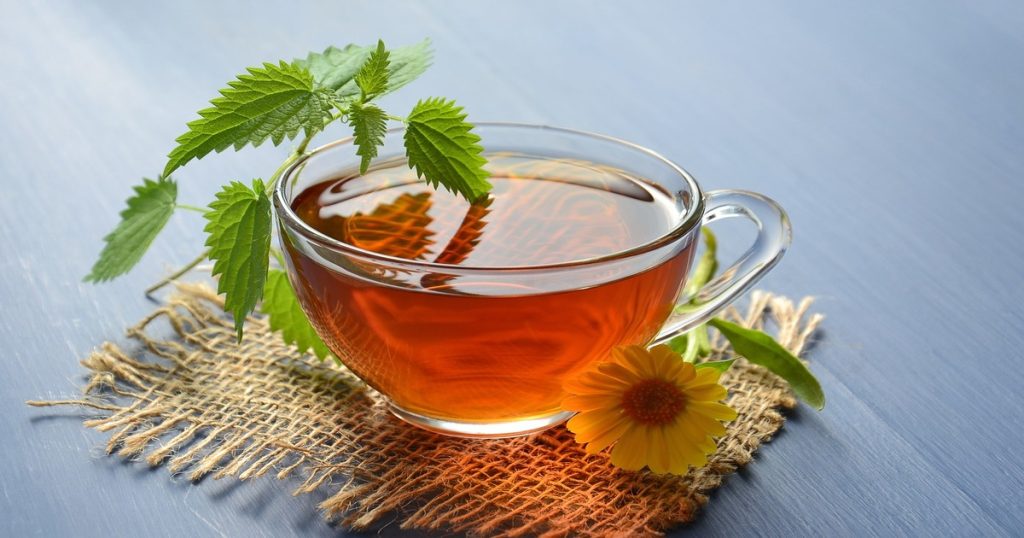
Tea contains a variety of antioxidants, including flavonoids and catechins. These compounds can combat oxidative stress and offer health benefits.
Antioxidants are abundant in different types of tea, helping to neutralize harmful free radicals in our bodies. Whether you prefer green, black, or white tea, each offers a unique profile of antioxidants, with green tea notably rich in epigallocatechin gallate (EGCG).
These substances are thought to play a role in reducing the risk of chronic diseases, supporting heart health, and promoting overall wellness. Regular consumption of tea is a simple yet powerful way to incorporate antioxidants into your diet. Tea enthusiasts not only enjoy a comforting beverage but also leverage the added advantage of its protective compounds. Optimizing your health with a soothing cup of tea can be both a pleasurable and smart health choice.
Antioxidant Power In Your Teacup
Unlock the secrets of your brew’s benefits with a closer look at the antioxidants in tea. Discover how every sip offers a potent mix of health-boosting compounds ideal for wellness enthusiasts.
Imagine a world where rejuvenating your body’s cells is as simple as sipping a warm cup of tea. This is the reality of tea’s antioxidant power; a daily ritual that offers potent health benefits steeped in tradition and taste. With each sip, a surge of antioxidants battles against cellular stress, promoting well-being and vitality. Let’s delve into how these powerful substances work and explore the varying antioxidant levels in different tea varieties.
Understanding The Science Of Antioxidants
The concept of antioxidants is held within the complex structures of molecules where they serve as essential defenses. Essentially, antioxidants are compounds that inhibit oxidation, a chemical reaction that produces free radicals, leading to chain reactions that may damage the cells. Antioxidants like those found in tea can prevent or slow down this damage by neutralizing free radicals, thereby safeguarding the body’s cells.
Varieties Of Tea And Their Antioxidant Levels
Different teas possess their unique bouquet of antioxidants, each offering varying benefits:
- Green Tea: Rich in catechins, specifically epigallocatechin gallate (EGCG), which is known for its powerful antioxidant capacity.
- Black Tea: High in theaflavins and thearubigins, compounds that contribute to its distinct flavor and antioxidant profile.
- White Tea: Contains a higher proportion of young leaves and buds, boasting potent antioxidants with its minimal processing.
- Oolong Tea: Offers a moderate level of antioxidants, featuring properties that are between green and black tea.
- Herbal Teas (such as rooibos, chamomile, and hibiscus): While not true teas, they are packed with diverse antioxidants and have their unique health-promoting properties.
To visualize the differences in antioxidant levels among tea varieties:
| Tea Variety | Primary Antioxidants | Antioxidant Benefit |
|---|---|---|
| Green Tea | Catechins (EGCG) | High |
| Black Tea | Theaflavins, Thearubigins | Moderate |
| White Tea | Catechins | Very High |
| Oolong Tea | Mixed Compounds | Moderate to High |
| Herbal Teas | Varied Compounds | Depends on the Herb |
How Antioxidants In Tea Combat Free Radicals
The antioxidants in tea are well-equipped soldiers fighting an invisible battle against free radicals. Here’s a breakdown of their protective maneuvers:
- Neutralizing Harmful Free Radicals: By donating an electron to these unstable molecules, antioxidants in tea neutralize them without becoming free radicals themselves.
- Preventing Cellular Damage: This action helps in preventing oxidative stress which is responsible for aging and various diseases.
- Enhancing Overall Health: Regular consumption of antioxidant-rich tea contributes to reduced inflammation, aiding in the management and prevention of chronic conditions.
With every cup of tea you drink, think of it as a simple yet effective form of health insurance for your cells. Incorporating tea into your daily routine could be a delightful and healthful habit.
Tea’s Antioxidant Profile Explored
Delving into the world of antioxidants, tea emerges as a champion, offering a bounty of health-promoting compounds. Each sip brings a complex mixture of molecules to the forefront, with the potential to combat oxidative stress and bolster the body’s defenses. Understanding the antioxidant profile of tea is key to appreciating its value in a healthy diet.
Catechins In Different Teas
Catechins are potent antioxidants primarily found in green teas. These natural phenols and antioxidants play a significant role in protecting our cells from oxidative damage. Green tea is particularly rich in a catechin called epigallocatechin gallate (EGCG), renowned for its health benefits.
- Epicatechin: Found in smaller amounts but offers supportive antioxidant action.
- Epicatechin gallate: Works in tandem with EGCG to enhance its effects.
- Epigallocatechin: Also contributes to the overall antioxidant properties of green tea.
Thearubigins And Theaflavins In Different Teas
Thearubigins and theaflavins are unique antioxidants found predominantly in black teas. These compounds are formed during the fermentation process, which black tea leaves undergo. They impart a distinctive color and flavor, along with their healthful properties.
| Thearubigins | Theaflavins |
|---|---|
| Contribute to the rich, dark color of black tea. | Provide the briskness and characteristic taste of black tea. |
| Offer anti-inflammatory benefits. | Help reduce cholesterol levels and blood pressure. |
Green Vs Black Tea: Antioxidant Capacity
When it comes to antioxidant capacity, green and black teas offer distinct profiles due to their processing methods. Green tea retains a high level of catechins because it undergoes minimal oxidation.
On the other hand, black tea, which is fully oxidized, contains higher concentrations of thearubigins and theaflavins. These contribute to its antioxidant capacity, though in a different fashion compared to green tea’s catechins.
| Tea Type | Antioxidant Compounds | Health Benefits |
|---|---|---|
| Green Tea | Catechins (especially EGCG) | Cell protection, antiaging, reduced risk of chronic diseases |
| Black Tea | Thearubigins, Theaflavins | Heart health, anti-inflammatory, promoting digestive wellness |
“`
This blog section explores the diverse range of antioxidants in different types of tea, presented in an engaging and informative manner. It emphasizes the health benefits of each type of antioxidant and compares the antioxidant capacities of green and black tea, catering to the interests of health enthusiasts and casual tea drinkers alike. The use of HTML formatting elements such as headings, bold text, lists, and tables makes the content accessible and easy to navigate.
Brewing For Antioxidant Benefits
Unlocking the full potential of tea’s antioxidants begins with the brewing process. The way you brew your tea can significantly influence the number and quality of antioxidants that end up in your cup. Whether you’re a connoisseur of green, black, white, or oolong teas, understanding how to optimize the brewing process will help you enjoy not just the flavors, but also the maximum health benefits your tea has to offer.
Optimal Brewing Methods To Maximize Antioxidant Extraction
The method of brewing plays a vital role in how many antioxidants are extracted from tea leaves. To get the most out of your tea, it’s crucial to consider these factors:
- Steeping Time: Allow adequate time for the antioxidants to seep out of the leaves. Typically, 3-5 minutes is suggested, but this may vary with different types of tea.
- Amount of Tea: Using the right proportion of tea leaves to water ensures a potent extraction. A general guideline is 1 teaspoon of tea leaves per cup.
- Type of Vessel: Some materials, like ceramic or glass, are preferred over others to prevent antioxidant loss.
Experimenting with these variables can help you find the sweet spot for brewing your perfect antioxidant-rich cuppa.
Does Temperature Affect Antioxidant Levels?
Temperature isn’t just about the warmth of your beverage; it significantly impacts the antioxidant properties of your tea. Certain teas require specific temperatures to release their full antioxidant capacity:
| Tea Type | Temperature | Antioxidant Benefit |
|---|---|---|
| Green Tea | 175-185°F (80-85°C) | Preserves delicate catechins |
| White Tea | 160-185°F (70-85°C) | Maximizes polyphenol content |
| Black Tea | 210°F (99°C) | Extracts theaflavins and thearubigins |
Striking the right balance with temperature is key to enhancing the tea’s natural antioxidants, so be mindful to not just boil, but to brew with intention.
Antioxidant In Tea: Factors Affecting Potency
Discovering the secrets behind the robust antioxidant properties in tea involves delving into a myriad of intricate factors. These influential elements, such as processing methods, soil conditions, climate variances, and precise harvest times, all play pivotal roles in determining the potency of antioxidants found in every soothing cup. Understanding these components not only enlightens tea enthusiasts but also empowers them to make informed decisions that could enhance their daily health regimen.
The Impact Of Tea Processing On Antioxidant Content
Tea leaves undergo a transformation that significantly affects their antioxidant levels. From the moment they are plucked until they are steeped in hot water, the processing techniques applied, such as oxidation, fermentation, rolling, and drying, can either amplify or diminish the presence of these beneficial compounds.
- Green tea, known for minimal processing, retains the highest levels of catechins, a type of potent antioxidant.
- Oolong tea undergoes partial oxidation, which creates a balance between catechins and theaflavins, another category of antioxidants.
- Black tea is fully oxidized, leading to a higher concentration of theaflavins and thearubigins, which emerge through extensive processing.
Each step in these processes can either preserve the natural antioxidants in tea leaves or lead to a conversion into different compounds with varied health benefits. Therefore, understanding the tea processing journey is crucial for those seeking maximum antioxidant intake.
The Role Of Soil, Climate, And Harvest Time
The environment in which tea is cultivated serves as the very cradle of its antioxidant genesis. Nutrient-rich soil ensures that tea plants are endowed with a bountiful supply of minerals and vitamins, which in turn influences antioxidant levels. Climatic factors such as sunlight, temperature, and rainfall intimately interact with tea bushes, each variable imprinting upon the leaves their unique antioxidative signature.
- High altitudes can lead to slower growth but may result in denser antioxidant concentrations.
- Exposure to specific elements, like fog or frost, can stress the tea plants, prompting them to produce more antioxidants as a defense mechanism.
Equally, the timing of the harvest directly correlates to the potency of antioxidants. Early spring picks, often termed ‘first flush’, are highly coveted for their exceptional levels of antioxidants, exemplified by a fresh, vibrant flavor profile.
| Tea Type | Harvest Time | Antioxidant Potency |
|---|---|---|
| Green Tea | Early Spring | High |
| Oolong Tea | Late Spring | Moderate |
| Black Tea | Summer | Varied |
The harvest table above delineates the link between timing and tea antioxidant strength. Such knowledge allows enthusiasts to choose their tea with precision, tailoring their selection to their antioxidant desires.
Health Perks: Sipping Beyond Refreshment
Discover the health benefits of tea through its abundant antioxidants. As more individuals turn to teas for their soothing qualities and subtle flavors, the intrinsic health perks that come with every sip often go unnoticed. Beyond its ability to refresh and revitalize, tea harbors a treasure trove of antioxidants, which contribute to overall well-being and protection against various ailments. Let’s delve into how these mighty compounds in tea enhance cardiovascular health and potentially ward off cancer.
Tea’s Antioxidants And Cardiovascular Health
Tea, a nurturing elixir, has been linked to improved heart health. The antioxidants, particularly catechins and flavonoids, play a significant role:
- Lowering bad cholesterol levels: Antioxidants in tea help reduce LDL cholesterol, minimizing the risk of plaque buildup in the arteries.
- Enhancing arterial function: Regular tea consumption may enhance the function of the endothelial cells lining your blood vessels, which supports blood flow regulation.
- Reducing blood pressure: The compounds found in tea have been noted to support a moderate reduction in blood pressure, further promoting heart health.
These benefits collectively contribute to a lower risk of cardiovascular diseases, making tea a heart-friendly beverage choice.
Antioxidants In Tea And Their Role In Cancer Prevention
Extensive research on tea’s polyphenols suggests a connection to cancer prevention. Although definitive results are still on the horizon, current studies indicate that:
- Antioxidants in tea may reduce the risk of developing certain types of cancer through their ability to protect cells from DNA damage.
- Epigallocatechin gallate (EGCG), a potent antioxidant in green tea, has been shown to inhibit tumor cell growth and promote cancer cell death in laboratory experiments.
- Oxidative stress, which contributes to cancer development, can be counteracted by the antioxidant activity of tea, thus offering a protective effect.
These findings underscore the potential of regular tea consumption as part of a diet aimed at cancer prevention.
Holistic Health With Every Sip
Embarking on a journey of well-being can begin with the simplest of rituals—like enjoying a cup of tea. Packed with antioxidants, a warm brew offers a cascade of health benefits that radiate through the body, touching on the mental, physical, and emotional aspects of health. Let’s explore the profound ways in which tea, with its rich antioxidant content, contributes to holistic health, ensuring that with every sip, you’re not just savoring a delightful beverage but also fostering well-being from within.
Mental Clarity And Antioxidants In Tea
Tea’s ability to enhance mental clarity is one of its most celebrated attributes. The antioxidants found in tea, particularly theanine and catechins, interact with neural pathways to help reduce cognitive decline and improve brain function. Studies suggest that regular tea drinkers experience improved attention and clearer thinking. The antioxidants in green and black teas have been linked to a lower risk of cognitive decline, making your tea moments not just calming, but also brain-boosting.
- Enhanced focus and concentration
- Reduced risk of neurological diseases
- Improved memory and learning abilities
Antioxidants, Tea, And Anti-aging Effects
Tea’s high concentration of antioxidants like polyphenols can also have powerful anti-aging effects. These compounds battle free radicals, preventing cellular damage that leads to aging. By regularly consuming tea, you may notice more radiant skin, a robust immune system, and a deceleration in the aging process.
| Antioxidant | Role | Tea Types High in Antioxidant |
|---|---|---|
| Polyphenols | Combat free radicals | Green, Black, Oolong |
| Catechins | Cellular repair and anti-aging | Green Tea |
| Theaflavins | Reduce cholesterol and blood sugar levels | Black Tea |
By leveraging the antioxidants present in various teas, you contribute to your youthful appearance and vitality. Targeting the signs of aging both internally and externally, tea becomes a convenient and pleasurable ally in your anti-aging regimen.
- Supports youthful skin
- Strengthens the immune system
- Slows down cellular aging
Incorporating Tea Antioxidants Into Your Diet
Unlock the powerful benefits of tea antioxidants by weaving them into your everyday meals and habits. These dynamic phytonutrients, known for combatting oxidative stress and inflammation, hold the key to enhancing your health. Embrace the versatility of tea and transform your diet into a fountain of youth.
Creative Ways To Enjoy Tea For Health
Ditch the monotony with these inventive tips to sip and savor your way to optimum wellness:
- Cold-Brew Concoctions: Refresh with a cold brew tea. Steep your favorite tea in cold water overnight for a milder flavor packed with antioxidants.
- Tea-Infused Oatmeal: Stir a green tea bag into your morning oatmeal while cooking for an earthy twist and an antioxidant boost.
- Smoothie Magic: Blend matcha powder, which is high in catechins, into your smoothies for a nutrient-dense start to your day.
- Tea Popsicles: Freeze herbal or fruit teas into popsicles for a fun and healthy summer treat.
- Culinary Marinades: Use strong brewed tea as a marinade base for meats and vegetables to infuse complex flavors and health benefits.
Precautions And Optimal Daily Intake
To maximize health benefits while minimizing risks, consider these guidelines:
| Tea Type | Optimal Intake | Precautions |
|---|---|---|
| Green Tea | 3-4 cups/day | Limited caffeine intake for sensitivity, pregnancy, and anxiety disorders. |
| Black Tea | 2-3 cups/day | Monitor for iron absorption issues; consult with a doctor if you have a history of heart issues. |
| Herbal Teas | Variable | Be aware of individual herb-drug interactions; choose caffeine-free options for evening consumption. |
As a golden rule, moderation is paramount. Excessive consumption of tea may lead to unwanted side effects. Balance and listen to your body’s signals. Consult with healthcare providers if you have specific health concerns or are taking prescription medications.
Pairing For Antioxidant Synergy
An engaging cup of tea not only soothes the soul but also showers your body with antioxidants. Antioxidants are key compounds in combatting oxidative stress and bolstering overall health. Insights into Pairing for Antioxidant Synergy suggest that combining tea with certain foods or herbs can significantly elevate the body’s absorption and utilization of these protective antioxidants. Exploring these combinations can transform your tea drinking into a potent health ritual.
Foods that enhance the antioxidant absorption from tea
Foods That Enhance The Antioxidant Absorption From Tea
Integrating specific foods into your tea time can amplify the antioxidant power of your brew. Certain nutrients in these foods can act synergistically with the antioxidants in tea, improving their bioavailability and function within your body.
- Citrus fruits – The vitamin C in oranges, lemons, and grapefruits can increase the absorption of antioxidants from green tea.
- Nuts and seeds – Healthy fats found in almonds, chia seeds, and flaxseeds can promote the absorption of fat-soluble antioxidants.
- Leafy greens – Combining green tea with spinach or kale can deliver a powerful dose of antioxidants, aided by their high content of vitamins and minerals.
Combination with herbs for enhanced health benefits
Combination With Herbs For Enhanced Health Benefits
Herbal additions often bring their own array of antioxidants and adding the right herbs to your tea can result in a significant health boost. Consider these herb-tea combinations for enhancing the health benefits:
| Herb | Health Benefit |
|---|---|
| Ginger | Matches well with black tea and offers digestive support along with anti-inflammatory properties. |
| Peppermint | An ideal companion for green tea, peppermint can aid with digestion and provide a refreshing flavor. |
| Chamomile | Enhances the calming effects of herbal tea, perfect for a stress-relief routine before bed. |
Sip Your Way To Better Health!
Imagine starting your morning or unwinding after a long day with a soothing cup of tea that not only warms your soul but also contributes to your health. This isn’t just a comforting thought; it’s a reality grounded in science. Tea, a beverage enjoyed around the world, is steeped in a symphony of antioxidants that work tirelessly to fight against oxidative stress and promote well-being. Dive into the heart of tea’s secret – its antioxidants, and discover how each sip can lead to a healthier you.
The Future Of Tea As A Health Supplement
Tea is undergoing a transformation. No longer just a humble drink, it is rising in prominence as a potent health supplement. With evolving lifestyles and increasing awareness about wellness, consumers are seeking out natural ways to maintain their health. The tea industry is responding with a wave of innovation, blending traditional brews with modern scientific understanding to create a new category of tea-based health supplements. These innovative products promise to harness the power of antioxidants to support an array of health benefits.
Research On Antioxidants In Tea And Long-term Health Impacts
Recent studies have shed light on the profound impact of tea’s antioxidants, known as polyphenols, on long-term health. Researchers are uncovering significant relationships between regular tea consumption and reduced risks of chronic diseases such as heart disease, stroke, and certain cancers.
- Epigallocatechin Gallate (EGCG): A powerful catechin in green tea, known for its role in heart health and weight management.
- Theaflavins: Abundant in black tea, these compounds have been linked to lower cholesterol levels and improved artery function.
- Antioxidant Synergy: The collective effects of various antioxidants in tea may offer a protective shield against oxidative stress.
A comprehensive overview of studies highlighting the longevity benefits of regular tea intake is compelling. For instance, research suggests that the habitual consumption of green tea may lead to a longer and healthier life.
Investigations continue to unravel how tea’s antioxidants exert their protective effects, and how these benefits can be optimized. The integration of cutting-edge technology with traditional tea-drinking practices paves the way for an exciting future where teas designed specifically as health supplements could become an integral component of daily health maintenance.
Frequently Asked Questions For Antioxidant In Tea
Which Tea Has Highest Antioxidants?
White tea generally has the highest levels of antioxidants compared to other teas. Its minimal processing helps retain potent antioxidants like catechins and polyphenols.
Are Antioxidants In Tea Destroyed By Heat?
Heat does not destroy all the antioxidants in tea; many remain intact and beneficial after the tea is brewed.
Are There Antioxidants In Tea Vs Coffee?
Both tea and coffee contain antioxidants, with tea generally having a higher concentration, especially in green and black varieties.
Is Herbal Tea High In Antioxidants?
Yes, herbal tea is often rich in antioxidants, which can help protect the body against oxidative stress and may support overall health.
Conclusion
Exploring the benefits of antioxidants in tea offers a delightful journey into better health. Each cup brims with potential, fighting free radicals and enhancing wellness. Embrace the natural goodness of tea; let its antioxidants be your daily health allies. Cheers to vitality, one sip at a time.