

As of 2023, the global green tea industry is valued at approximately $15 billion. The market is expected to continually expand, driven by increasing health awareness and the popularity of wellness trends.
Green tea, recognized for its health benefits and distinctive flavor, has witnessed a surge in demand across various age demographics. Consumers are now more informed about the positive impact of green tea on weight management, antioxidants, and potential in combating various diseases, propelling the industry’s growth.
The Asia-Pacific region, a historical cultivator and consumer of green tea, dominates the market, contributing significantly to global production and consumption. With the rise of organic and specialty teas, the green tea industry is adapting to meet the preferences of a health-conscious clientele, ensuring its relevance in the competitive beverage market. Brands are also harnessing the power of e-commerce to increase accessibility, making it easier for consumers worldwide to incorporate green tea into their daily routines. This strategic market positioning is anticipated to fuel the industry’s growth in the years to come.
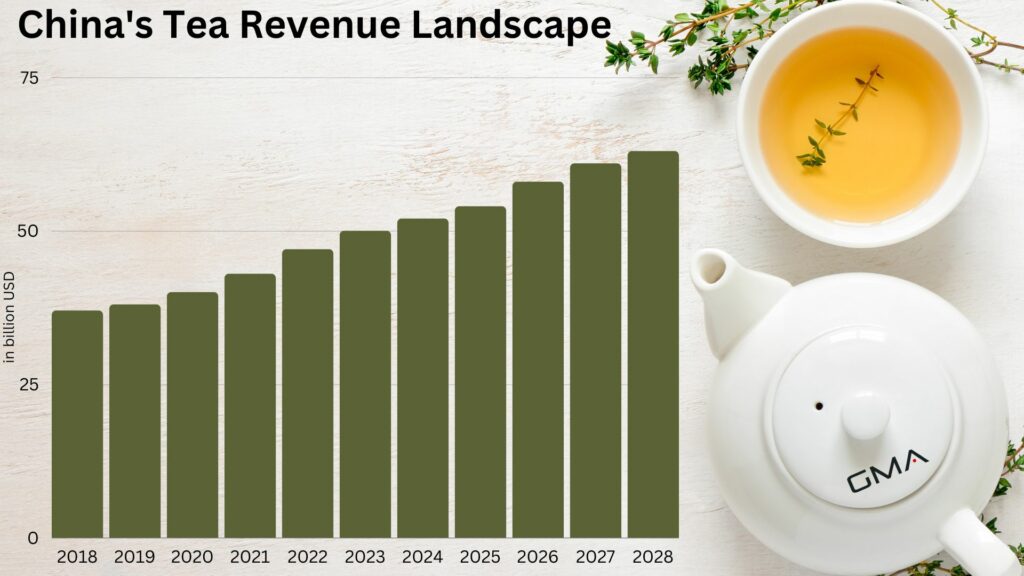
Credit: ecommercechinaagency.com
The Rise Of Green Tea Popularity
Witnessing an unmistakable surge, green tea popularity has blossomed worldwide. The simple beverage, steeped in ancient traditions, now marks its presence on the global stage. People from all corners of the world embrace green tea’s refreshing taste and myriad health benefits. This growing enthusiasm contributes significantly to the green tea industry’s worth, solidifying its stance in the beverage market.
Global Trends And Cultural Shifts
Globalization and exposure to diverse cultures influence diets and lifestyle choices. Green tea, once a staple in East Asia, has become a global phenomenon:
- Western societies now celebrate the tradition of tea drinking.
- Specialty tea shops and menus in cafes reflect this growing trend.
- Online platforms have made exotic green teas accessible.
- Social media boosts green tea through influencer endorsements.
Global statistics echo this change, marking a rise in green tea’s presence in stores and online retailers.
Health Benefits Driving Demand
Health consciousness fuels the demand for green tea. The beverage’s health benefits cannot be overstated:
| Health Benefit | Impact |
|---|---|
| Antioxidants | Reduce cell damage, lower cancer risk |
| Brain Function | Enhance cognitive performance, protect neurons |
| Weight Loss | Boost metabolism, aid in fat reduction |
| Heart Health | Improve cholesterol, lower heart disease risk |
Research studies and health experts recommend green tea for a healthier lifestyle. Such endorsements have a palpable impact on consumer behavior, leading to greater sales and a more robust market value for green tea products.
Green Tea Varieties And Consumption Patterns
Exploring the world of green tea reveals a landscape rich with variety. Different regions bring their unique flavors and types. Green tea lovers enjoy a wealth of options. Each variety offers a distinct experience. Consumption patterns also vary widely. They provide insight into cultural preferences. Let’s delve into the popular types. We’ll also look at how various regions enjoy their green tea.
Popular Types And Flavors
Green tea comes in many exciting types and flavors. Each has its unique characteristics:
- Sencha: A Japanese staple with a delicate, grassy taste.
- Matcha: A finely ground powder famous for its vibrant color and richness.
- Longjing: Also known as Dragon Well, a prized Chinese tea with a nutty flavor.
- Gunpowder: Named for its pellet-like appearance, offering a slightly smoky taste.
These are just a few examples. Flavor infusions also add variety. Popular infusions include mint, jasmine, and citrus.
Differences In Regional Consumption
Consumption patterns of green tea reveal fascinating cultural influences:
| Region | Preferred Type | Consumption Habits |
|---|---|---|
| East Asia | Sencha, Matcha, Longjing | Daily ritual, often enjoyed hot |
| South Asia | Masala Chai Green Blend | Served with spices and milk |
| Western Countries | Infused Blends | Habit of iced green tea, trend of health-consciousness |
East Asia favors traditional types. South Asia prefers green tea with a local twist. Western countries often choose green tea for its health benefits. They enjoy it cold as well as hot.
Valuing The Green Tea Industry
People around the world enjoy green tea for its taste and health benefits. This popularity makes the green tea market quite valuable. Let’s explore just how much this industry is worth and what factors drive its value.
Current Green Tea Industry Worth
Green tea has become a burgeoning market, reaching billions of dollars globally. This figure keeps growing as health trends soar. Asia leads the market, with countries like China and Japan being major producers and consumers. Yet, the love for green tea is spreading across continents, showing its vast potential.
Factors Influencing Market Value
Different elements affect the green tea industry’s worth:
- Health awareness prompts more people to choose green tea.
- Organic products gain popularity, increasing demand for organic green tea.
- Innovation in flavors keeps consumers interested and expands the market.
- Cultural influences and the rise of tea ceremonies enhance global appeal.
- Exports and imports policies can either boost or hinder market growth.
Companies innovate and adapt to these factors to stay ahead.
Leading Producers And Exporters
The green tea industry is steeped in traditions, but it is more than just a cultural staple. We’re talking about a thriving global market. Power economies and growing enterprises form the backbone of this dynamic sector. Let’s dive into the countries and key players leading the charge in green tea production and exports.
Countries Dominating The Industry
The global landscape of green tea producers paints a diverse picture. But some countries stand out for their vast plantations and robust export capabilities.
- China: A historic powerhouse in tea cultivation, leading in both quantity and variety.
- Japan: Known for premium quality and distinctive green tea types like Matcha.
- India: Offers a wide spectrum of flavors, including the world-renowned Darjeeling.
- Kenya: Africa’s top producer, rapidly expanding its green tea footprint.
- Vietnam: Merging traditional methods with modern techniques for increased output.
Key Players And Brands
Names big and small define this industry, with some brands steeped in history and others crafting novel brews:
| Company | Origin | Flagship Product |
|---|---|---|
| Unilever (Lipton) | United Kingdom/Netherlands | Clear Green Tea |
| Twinings | United Kingdom | Pure Green Tea |
| Tata Global Beverages (Tetley) | India | Green Tea |
| ITO EN | Japan | Oi Ocha |
| Numi Organic Tea | United States | Jasmine Green Tea |
Together, these countries and brands brew a potent mix that keeps the green tea industry thriving on the international stage. Next cup of green tea you sip, remember the global journey it has travelled.
Consumer Behavior And Market Growth Of Green Tea Industry
The green tea industry has seen remarkable growth in recent years. Consumer behavior and market growth play pivotal roles in this expansion. People worldwide are choosing green tea for its health benefits and cultural significance, influencing how the market evolves. Understanding how buyers think and what drives their purchases is key to predicting the future trajectory of the green tea industry.
Purchasing Habits And Demographics
The profile of the typical green tea consumer has broadened significantly.
- Health-conscious individuals of all ages prioritize green tea.
- Millennials and Gen Z show a growing interest due to green tea’s trendy status.
- Regions like Asia-Pacific dominate consumption, but Western markets see rapid growth.
Marketers target these demographics with diverse product ranges and innovative flavors. Organic and sustainably sourced options are gaining traction. Convenience in packaging and availability online also influence purchasing patterns.
Predicting Future Market Trends
Experts study current behaviors to predict where the green tea market heads next.
- The demand for premium and organic varieties is likely to drive up market value.
- Functional beverages, blending green tea with other healthy ingredients, will become more popular.
- Technological advancements in cultivation and processing can create a surge in production quality.
Consumption rates suggest consistent yearly growth. The green tea market could worth many billions in the near future. Companies focus on product innovation and expansion into new markets to capitalize on this potential.
Challenges And Sustainability In Green Tea Production
The green tea industry is not just about the refreshing beverage loved worldwide. It faces some challenges. These challenges affect how we enjoy our tea. Let’s explore the environmental side and how sustainable practices could shape the future.
Environmental Impact And Climate Change
Climate change affects green tea production. Warmer temperatures and unpredictable weather hurt tea farms. These conditions lead to poor tea quality. We see more pests and diseases in tea plants. This impacts the industry’s value.
- Water scarcity – Tea plants need water. With less water, tea leaves cannot grow.
- Soil degradation – Soil quality drops. Healthy soil is a must for good tea leaves.
- Greenhouse gases – Tea processing releases gases. This adds to global warming.
Sustainable Practices And Certifications
Tea producers are shifting to sustainable practices. They want to protect the future of tea. Here are actions they take:
| Practice | Benefit |
|---|---|
| Organic Farming | Reduces chemicals, helps soil |
| Water Management | Saves water, better for plants |
| Renewable Energy | Cuts down on pollution |
Certifications like Rainforest Alliance and Fair Trade show commitment to these practices. Companies use them to show they care. Consumers can choose these teas to support a better environment.
Frequently Asked Questions On How Much Is The Green Tea Industry Worth
How Much Does Green Tea Make A Year?
The annual revenue from green tea varies greatly worldwide but is estimated to surpass $15 billion globally.
How Much Is The Tea Industry Worth?
As of early 2023, the global tea industry is valued at approximately $200 billion. This reflects its status as a popular beverage worldwide.
How Big Is The Tea Market In 2023?
As of 2023, the global tea market size is valued at approximately $200 billion. Demand for healthy beverages drives market growth.
Conclusion
The green tea industry’s value is staggering, reflecting its rising popularity globally. As health awareness grows, so does the demand for this antioxidant-rich beverage. This market shows no signs of slowing down, promising a lucrative future for businesses and investors in this sector.
Stay steeped in the potential of green tea’s thriving economy.