
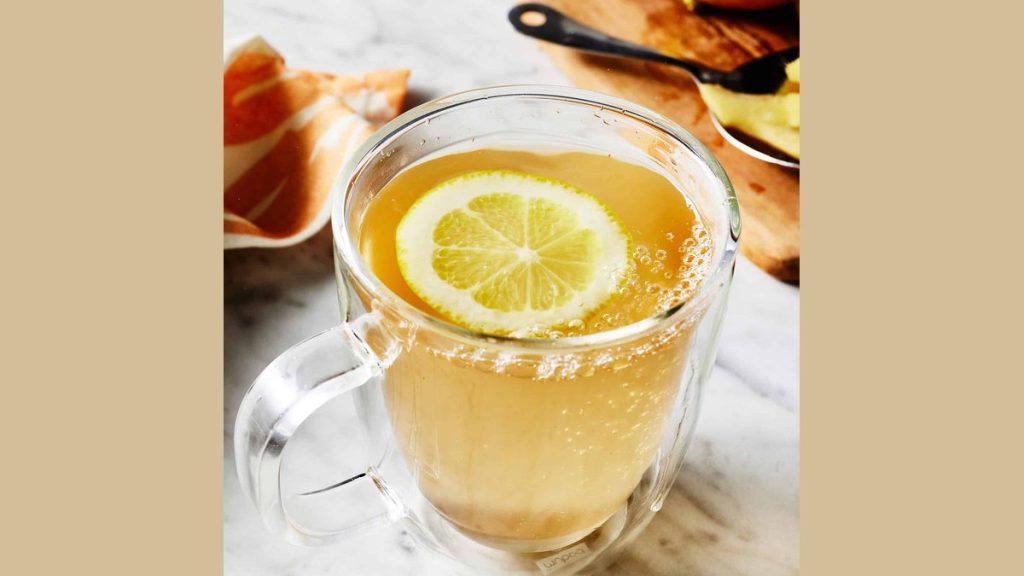
How to Make Lemon Ginger Tea From Fresh Ingredients involves simmering two inches of sliced ginger root in four cups of water for ten minutes, then stirring in two tablespoons of fresh lemon juice. This simple infusion is best for those who want a caffeine-free, warming drink made from scratch without using tea bags.
Ingredients to make fresh lemon ginger tea
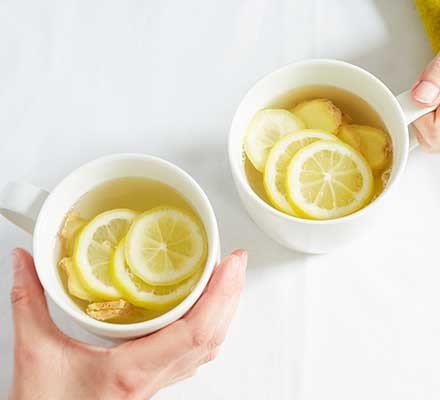
- Fresh ginger root: A piece at least two inches long; look for firm skin without soft or moldy spots.
- Fresh lemon: One medium lemon, which provides about two tablespoons of juice.
- Water: Four cups of filtered or cold tap water.
- Sharp paring knife: For peeling and slicing the ginger thinly.
- Small saucepan: A one-liter or larger pot is ideal for boiling the water.
- Fine-mesh strainer: To catch the ginger pieces when you pour the tea into your mug.
You can add honey or agave to taste, but avoid using bottled lemon juice, as it lacks the bright, fresh flavor needed for this drink.
Step-by-step
- Wash the ginger root thoroughly under running water and peel the skin using the edge of a spoon or a vegetable peeler.
- Slice the ginger into thin coins, about an eighth of an inch thick, to help the flavor release quickly into the water.
- Pour four cups of water into your saucepan and bring it to a rolling boil over high heat.
- Add the ginger slices to the boiling water, then reduce the heat to low so the water stays at a gentle simmer.
- Simmer the ginger for ten minutes; if you prefer a stronger, spicier flavor, you can let it cook for up to twenty minutes.
- Turn off the heat and stir in two tablespoons of fresh lemon juice.
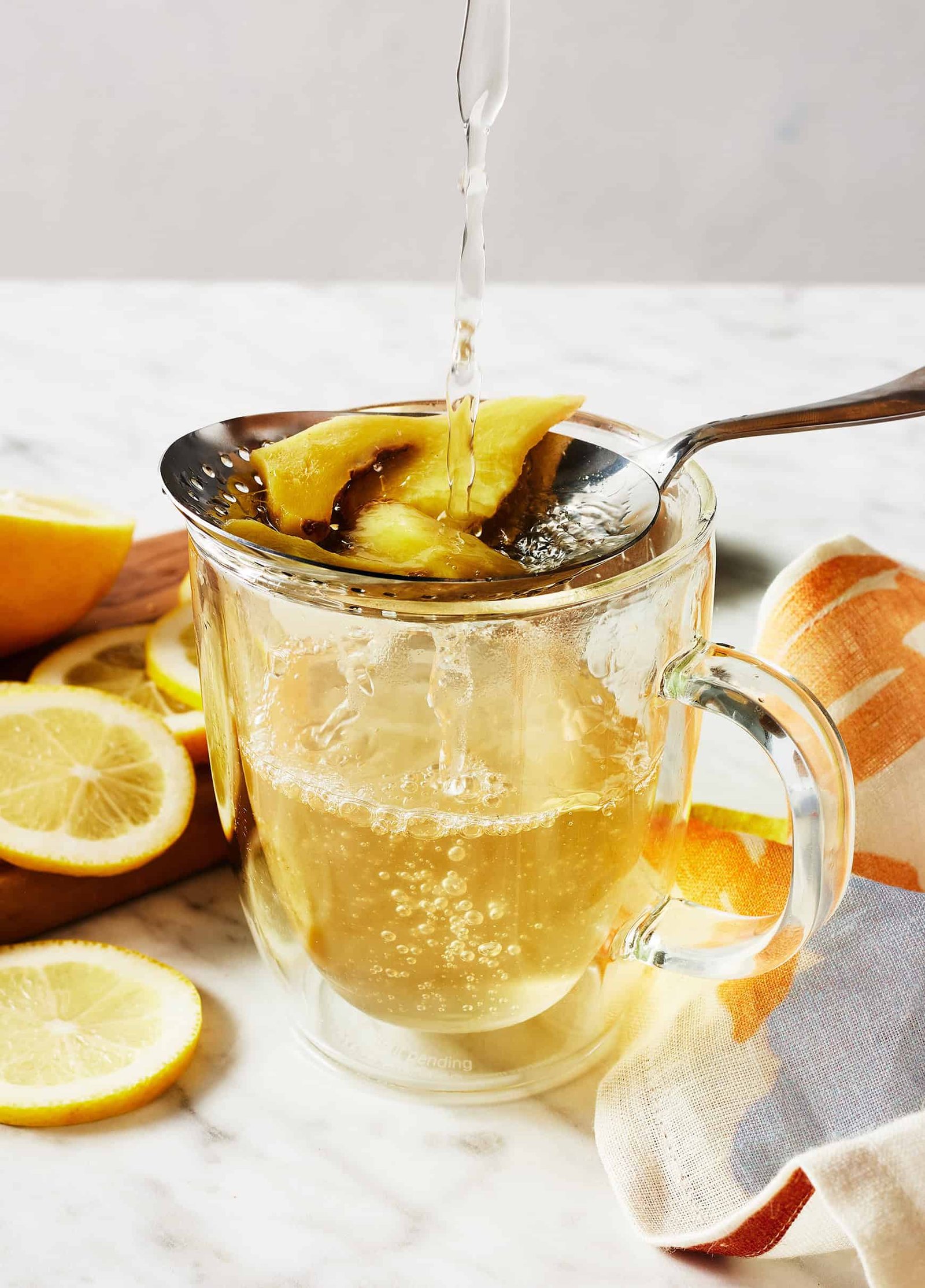
- Pour the mixture through your fine-mesh strainer into a mug to remove the ginger slices before serving.
Tip: If you’re sensitive to spice, start with only one inch of ginger and adjust to your preference next time. Careful: The liquid will be boiling hot; handle the saucepan with oven mitts to avoid burns. You can find more information on handling hot liquids safely in FoodSafety.gov’s safe minimum internal temperatures guide, which covers common kitchen temperature hazards.
Brewing adjustments for different needs
The intensity of your tea changes based on how long you boil the ginger and how much root you use per cup.
| Situation | Time/Amount | What is different | What to watch |
|---|---|---|---|
| Mild flavor | 5 minutes | Less ginger used | Ginger aroma |
| Strong kick | 20 minutes | More ginger slices | Water evaporation |
| Large batch | 15 minutes | Doubled ingredients | Pot capacity |
It’s safer to start with a small amount of ginger and add more during your next brew than to use too much initially, as a very spicy tea is difficult to mellow out once finished.
How to tell you did it right
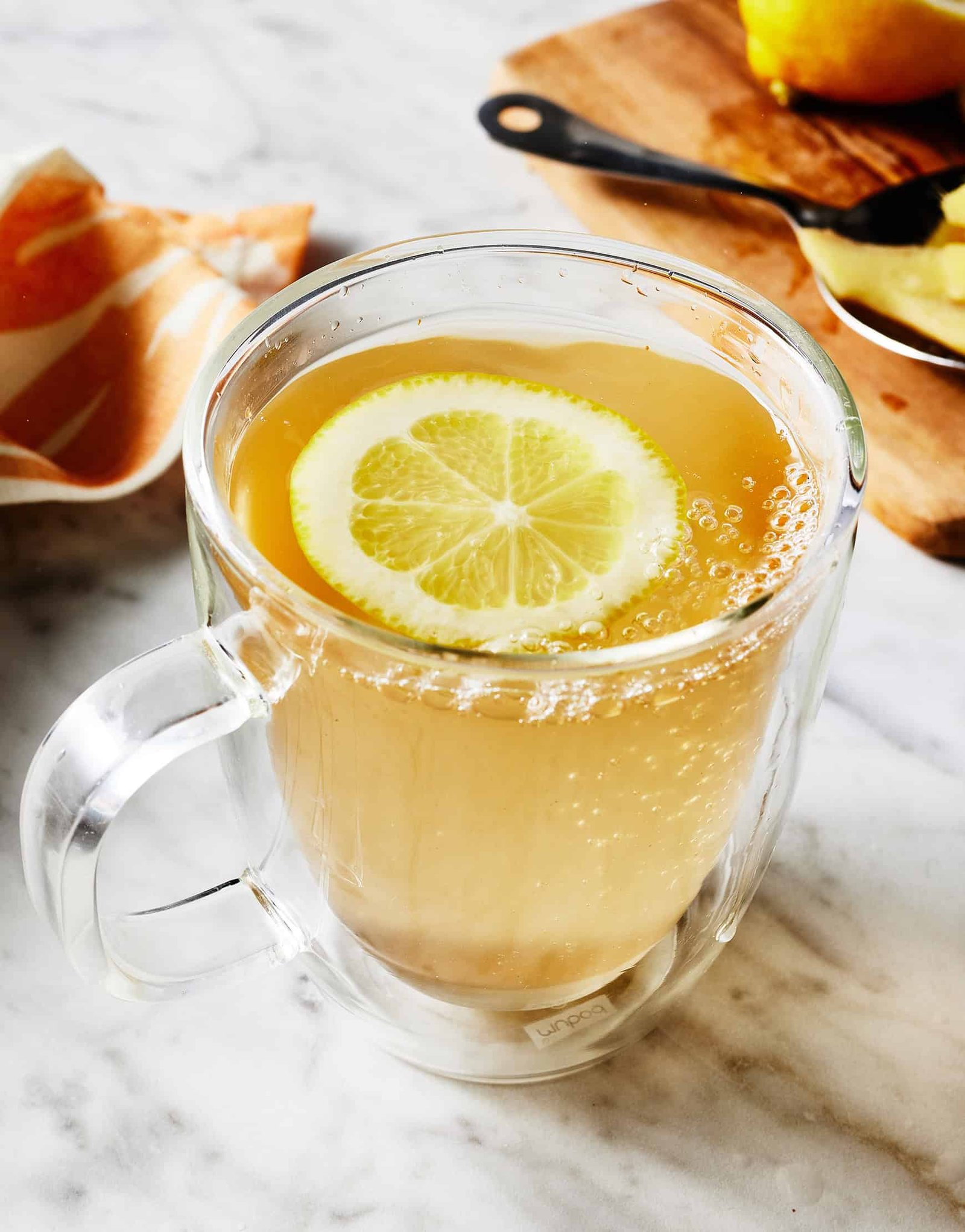
A successful batch of tea should have a pale yellow color and a distinct, zesty aroma of fresh lemon and ginger. If the tea looks cloudy or tastes bitter, you likely boiled the lemon rinds or left the ginger in the water for too long after adding the juice. Bitterness occurs when the essential oils from the lemon peel leach into the water, which happens if you boil the lemon rather than stirring it in at the end. To prevent this, always add the lemon juice after you have removed the pot from the heat. A clear, fragrant liquid indicates you have balanced the ingredients correctly.
Guidelines and serving notes
The primary rule for fresh infusions is to consume them while hot, as the flavor profile changes as the liquid cools. Once you finish brewing, discard the used ginger slices in your compost or bin and wash your saucepan with warm, soapy water to remove lingering oils. If you have leftovers, store them in a sealed glass container in the refrigerator for up to three days. Always reheat the liquid to a steaming temperature before drinking. If you’re preparing this for a large group or a business setting, check your local health department’s guidelines regarding the storage of fresh juice infusions, as these can harbor bacteria if not kept at the proper cold storage temperatures.
Other ways to do it
Using a tea infuser
If you prefer not to strain the liquid, grate the ginger and place it inside a large stainless steel tea infuser. This makes cleanup faster, though the ginger flavor may be slightly less intense than boiling it directly in the water.
Cold-brewed ginger tea
For a refreshing summer version, steep the ginger slices in room temperature water for six hours in the fridge. This method results in a much milder, smoother taste, perfect for pouring over ice with extra lemon wedges.
Adding honey or herbs
Whisk in one teaspoon of honey or a sprig of fresh mint once the tea is in your mug. The honey balances the ginger’s heat, while mint adds a cooling sensation that complements the citrus notes.
Frequently asked questions
Can I reuse the ginger slices?
No, the ginger slices lose most of their essential oils and flavor after one long boil. They become woody and tasteless, so it’s best to compost them and use fresh slices for your next pot of tea.
Why is my tea spicy?
Your tea is spicy because ginger contains gingerol, which provides a sharp, peppery heat. If the tea is too strong, simply dilute your mug with a little more hot water or add a teaspoon of honey to soften the intensity.
How long does fresh tea last?
You can keep the tea in the refrigerator for three days in a sealed container. Since fresh lemon juice is perishable, don’t leave the tea at room temperature for more than two hours to avoid bacterial growth.
Is it safe to drink every day?
Yes, most people can safely enjoy ginger tea daily as a beverage. If you have any concerns about ginger interacting with medications, consult your doctor, as ginger can affect blood clotting or stomach acidity in some individuals.
What happens if I boil the lemon?
Boiling the lemon usually makes the tea taste bitter because the white pith of the rind releases harsh compounds when heated. Always add your lemon juice after you have turned off the stove to keep the flavor bright and clean.
Final Thoughts
You’ll find that this drink is even better with a small spoonful of honey or a sprig of fresh mint. Don’t be afraid to experiment with your favorite natural sweeteners to find the perfect balance. It’s a wonderful way to brighten your morning, so grab a mug and enjoy your cozy creation.
Related guides