
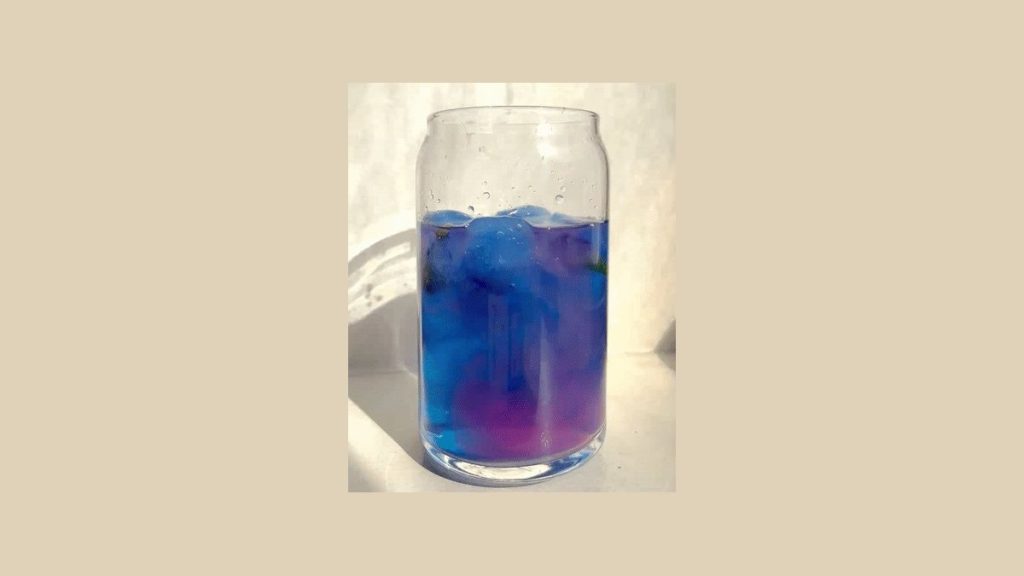
You can make How to Make Butterfly Pea Flower Tea: A Color-Changing Drink by steeping 1 teaspoon of dried flowers in 1 cup of hot water for 5 minutes. Adding a squeeze of fresh lemon juice turns the deep blue liquid into a vibrant purple or pink color through a simple pH reaction.
Ingredients to make butterfly flower tea
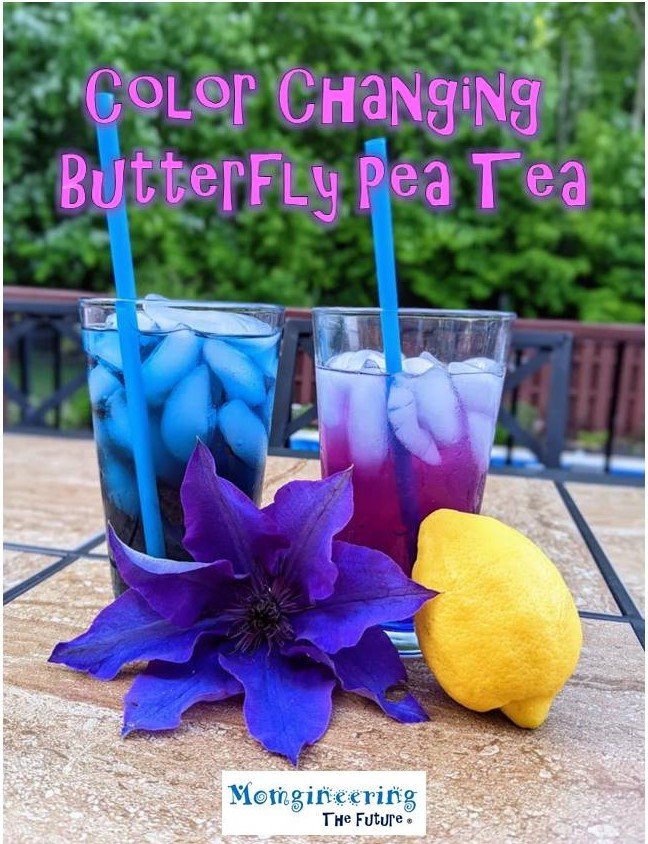
- Dried butterfly pea flowers: Use 1 full teaspoon of high-quality, dried organic petals for a rich color.
- Boiling water: You need 1 cup of filtered water to extract the deep blue pigment.
- Fresh lemon or lime juice: Keep 1 tablespoon ready; this provides the citric acid to change the color.
- Glass teapot or mug: A clear vessel is essential to see the color shift clearly.
- Strainer: A fine-mesh metal strainer works best to catch small flower bits.
- Sweetener (optional): Honey or agave syrup works well if you prefer a sweeter taste.
If you lack fresh citrus, you can use bottled lemon juice, but avoid using powdered drink mixes as they contain artificial colors that hide the natural tea hue.
Step-by-step
- Boil 1 cup of fresh, cold water in a kettle until it reaches a rolling boil.
- Place 1 teaspoon of dried butterfly pea flowers into your glass mug or teapot.
- Pour the boiling water directly over the flowers and let them steep for 5 minutes to release the color.
- Remove the flowers using a fine-mesh strainer, leaving only the deep blue tea in your glass.
- Add 1 teaspoon of sweetener if you like, and stir until it completely dissolves into the hot liquid.
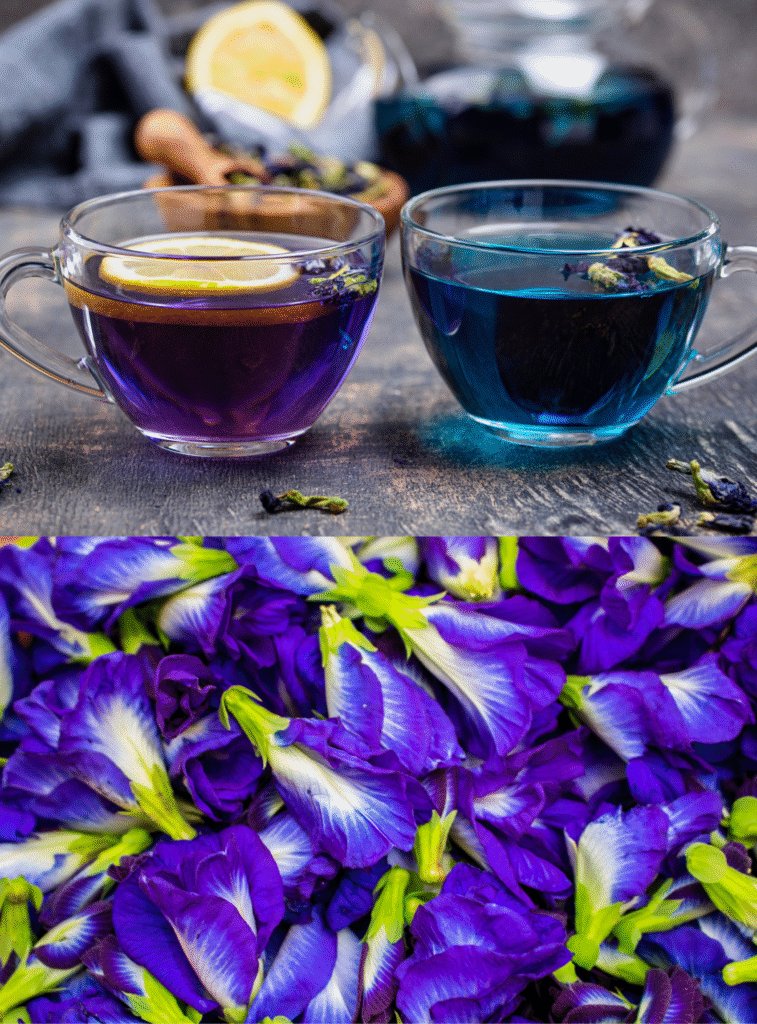
- Squeeze 1 teaspoon of fresh lemon juice into the tea while stirring gently to watch the blue color transform into purple.
Tip: If you add the lemon juice too quickly, the color change happens in a single swirl; add it drop by drop if you want to create a gradient effect.
Careful: Always check the FoodSafety.gov cold food storage charts before storing any leftover brewed tea in the fridge, as liquid infusions can spoil if left at room temperature for more than two hours.
Variables in tea preparation
The intensity of the color and the speed of the shift depend on the quality of your flowers and the acidity of your chosen citrus.
| Situation | Time or Amount | Difference | Watch for |
|---|---|---|---|
| Cold brewing | 6–8 hours | Uses cold water | Bitter notes |
| Extra flowers | 2 teaspoons | Much darker blue | Stronger “earthy” taste |
| Less lemon | 1/2 teaspoon | Soft violet color | Slow transition |
| More lemon | 2 tablespoons | Bright pink hue | Very tart flavor |
It’s safer to start with a small amount of lemon juice and add more slowly, as you can’t reverse the color change once the acidity has shifted the pH.
How to tell you did it right

A successful brew results in a clear, deep indigo blue color before you add any citrus. If the tea looks muddy or brownish, the flowers were likely old or exposed to too much light during storage. The color change should be immediate and smooth once the lemon juice hits the liquid. If the tea remains blue, add more lemon juice, as the acidity level is currently too low to trigger the chemical reaction. Always store your dried flowers in an airtight container away from direct sunlight to keep the pigment stable for your next cup.
Standards and storage guidelines
The United States Department of Agriculture provides general guidance on keeping food and beverages safe during preparation and storage. Once brewed, tea is a perishable item. If you don’t drink it immediately, cover the container and place it in the refrigerator. Consume any leftover tea within 3 to 4 days to ensure it remains fresh and safe to drink. If you notice any unusual cloudiness or a sour smell, discard the liquid immediately. Never attempt to reheat tea that has been sitting out for long periods. If you’re preparing large batches for a public event, check your local health department’s specific regulations for serving beverages to ensure you meet all safety requirements.
Different brewing styles
Cold Brew Infusion
Steep the flowers in cold, filtered water inside the fridge overnight. This method produces a smoother, less “grassy” flavor than hot water, though the color extraction takes much longer.
Butterfly Pea Lemonade
Mix the brewed tea with simple syrup and ice before adding the lemon juice. This creates a beautiful layered drink where the blue tea sits at the bottom and the pink lemonade sits on top.
Floral Tea Blends
Mix the flowers with dried lemongrass or mint leaves during the steeping process. These herbs add a bright, refreshing scent that masks the neutral flavor of the plain butterfly pea flower petals.
Frequently asked questions
Can I drink this tea every day?
Yes, you can drink this tea daily, as it’s naturally caffeine-free and contains no stimulants. Many people enjoy it as an evening ritual because it doesn’t interfere with sleep. Always ensure your flowers are sourced from a food-grade supplier to avoid any contaminants.
Why did my tea turn green?
Your tea likely turned green because you used a base that was already slightly yellow or alkaline. Butterfly pea flower tea is a natural pH indicator; if your water is very hard or has high mineral content, it can shift the blue toward a teal or greenish hue.
How long does the tea stay blue?
The tea stays blue as long as the pH remains neutral. Once you add lemon, lime, or any acidic fruit juice, the color shifts to purple or pink permanently. It won’t return to blue unless you add an alkaline ingredient, which isn’t recommended for flavor.
Is it safe for children?
Yes, it’s generally safe for children as it’s a herbal infusion without caffeine. However, always check the ingredients list if you buy a pre-mixed blend, as some versions might contain added sugars or other herbs that may not be suitable for young children.
What happens if I use too much lemon?
The tea will become very tart and the color will shift quickly to a bright, light pink. While this is safe to drink, the strong acidity can overpower the delicate, earthy flavor of the flower. Start with a small squeeze and taste as you go.
Final Thoughts
Experimenting with different sweeteners like honey or agave can really brighten the flavor profile of your brew. You’ll find that adding a few mint leaves or a splash of coconut milk creates a refreshing experience. It’s a fun way to impress your friends, so don’t hesitate to share a glass today.