
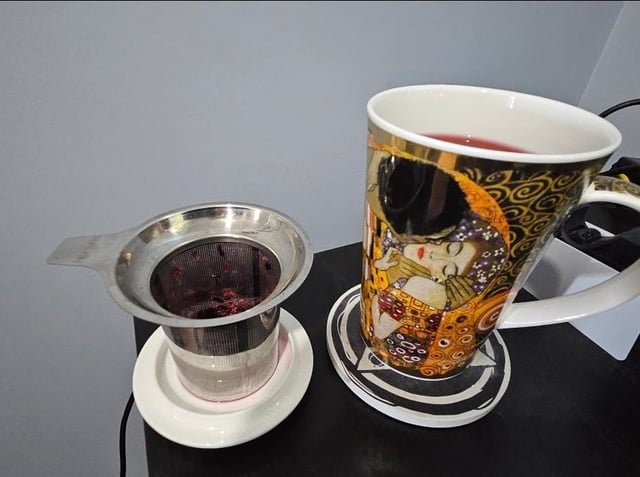
You can keep your brewing gear clean and ready for daily use if you follow the simple steps for how to clean and maintain a tea infuser properly. This process takes about three to five minutes of active work, depending on how much tea residue has built up. Most maintenance is easy and requires only basic household tools you likely already have. Before you start, check your manufacturer’s care guide for any specific warnings, as some materials like delicate bamboo or specialized coated metals may need gentler handling than standard stainless steel.
Essential tools for your tea infuser
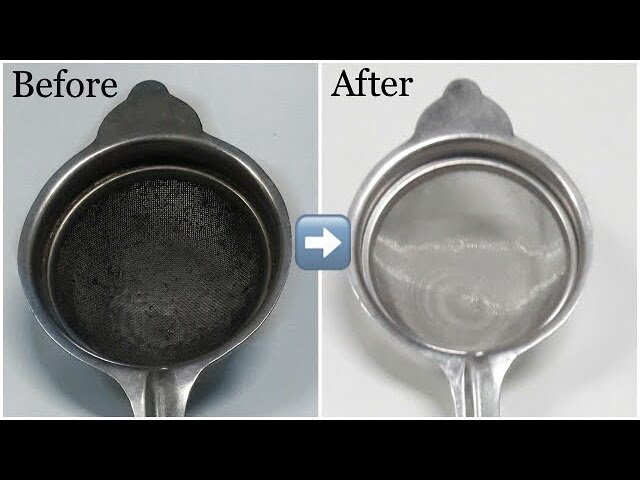
You need these items to keep your equipment in top shape. If you use a metal infuser, avoid harsh steel wool that can scratch the surface and trap tea oils. Scratches create microscopic crevices where tannins accumulate, leading to a permanent bitter aftertaste in every future cup.
| Item | How much | Why it’s needed | A substitute |
|---|---|---|---|
| Mild dish soap | 1-2 drops | Removes bitter tea oils | None — don’t swap |
| Soft sponge | 1 piece | Cleans mesh without damage | Soft microfiber cloth |
| White vinegar | 1/2 cup | Breaks down mineral buildup | None — don’t swap |
| Warm water | 2-3 cups | Rinses away soap residue | Hot tap water |
| Small soft brush | 1 piece | Reaches tight mesh gaps | Clean toothbrush |
For mineral deposits, soak the infuser in vinegar for exactly ten minutes. If the mesh remains discolored after this soak, repeat the process or use a baking soda paste to gently lift the remaining residue.
The biggest mistake is leaving tea leaves in the infuser overnight. This causes rapid oxidation, which stains the metal and forces you to use more soap than necessary. If you see dark brown spots that don’t rinse away, you have already waited too long. Use the brush immediately to prevent permanent residue buildup.
Preparation before you begin
Empty all used tea leaves into your compost bin or trash immediately after brewing. Wet organic matter left in the mesh creates a breeding ground for mold within six hours.
Let the infuser cool for at least five minutes if you just finished brewing. Hot metal conducts heat rapidly, and a minor burn often leads to dropping and denting the delicate mesh.
Clear your sink area of sharp knives or heavy pots before starting. You need a flat, unobstructed surface to prevent the infuser from snagging on other items.
Damp tea leaves can harbor bacteria if left at room temperature. If the mesh smells sour or looks discolored, sanitize it in boiling water for three minutes before your next use.
If your infuser has wood or cork parts, keep these dry. Never soak these components. If you notice the wood feeling rough or splintering, apply a light coat of food-grade mineral oil to seal the grain and prevent future warping.
How to Clean and Maintain a Tea Infuser Properly: Step-by-Step
- Rinse the infuser under warm running water for 30 seconds to remove the bulk of the loose tea leaves.
- Add one drop of mild dish soap to a soft sponge and gently scrub the interior and exterior of the mesh or basket.
- Use a soft brush to reach into the tiny holes of the mesh where fine tea particles often hide.
- Rinse the infuser thoroughly under running water for 45 seconds until you no longer see any soap bubbles.
- Check the mesh against a bright light to ensure no tea particles remain stuck in the small openings.
- If you notice brown stains, soak the infuser in a bowl with 1/2 cup of white vinegar and 2 cups of warm water for 15 minutes.
- Rinse the infuser again after the vinegar soak to remove any lingering acidic smell or taste.
- Dry the infuser completely with a clean, lint-free towel before you store it in a dry cupboard or drawer.
How to know your cleaning worked
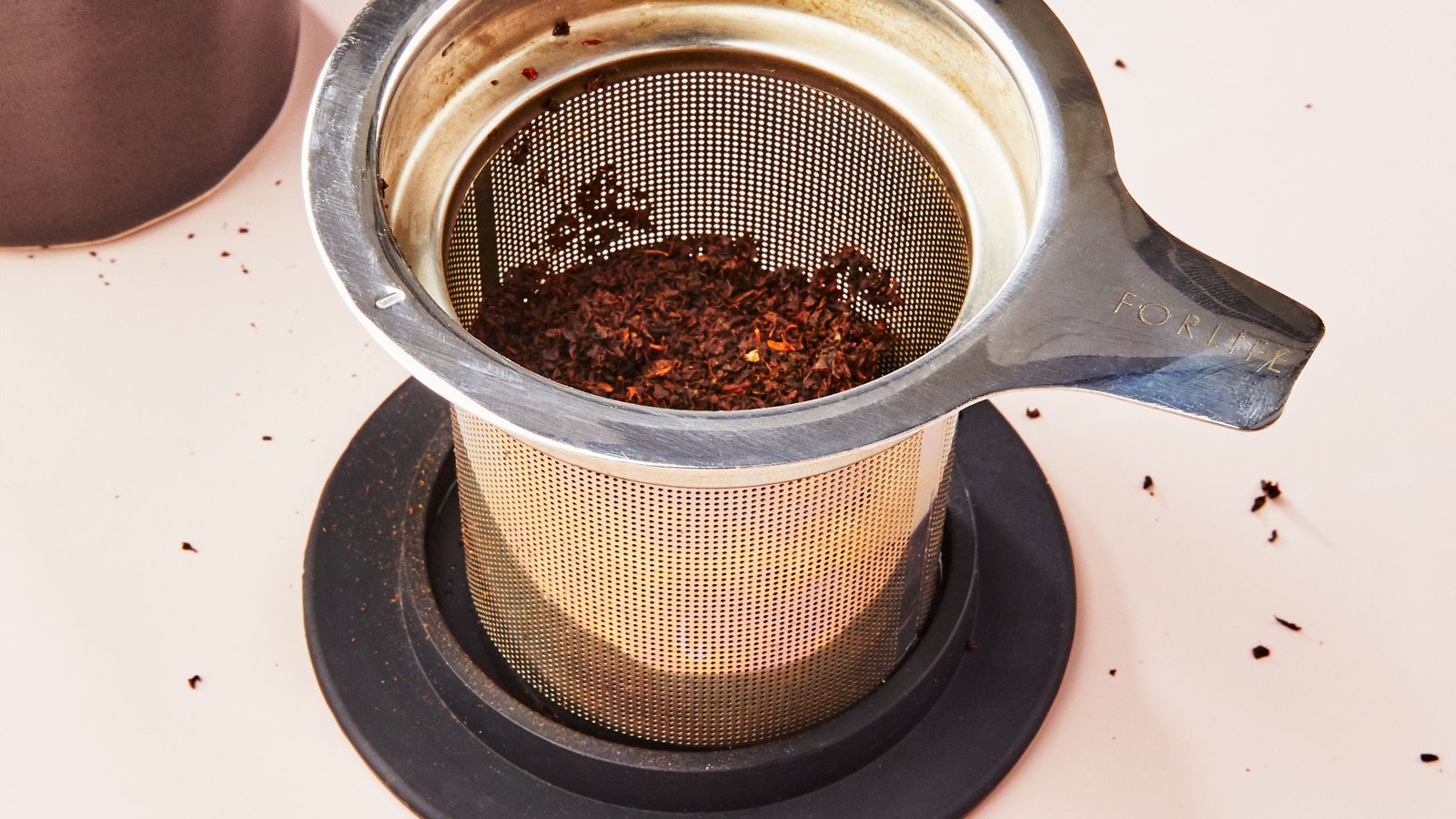
You’ll know the cleaning was successful when the mesh looks clear and uniform against a light source. If you hold the infuser up to a lamp, every single hole should be visible and free of dark brown or black specs. If you still see dark spots or trapped leaves, you need to repeat the scrubbing step with a soft nylon brush. A clean infuser should feel smooth to the touch; if it feels tacky or oily, it still has tea residue left on the surface.
If you have a stainless steel infuser, it should return to its original silver shine after the vinegar soak. If it remains dull, it may be due to hard water deposits, which are common in many areas. In this case, another soak in the vinegar solution usually solves the problem.
Distinguish between residue and mineral buildup by checking the texture. If the surface is gritty, you’re dealing with calcium deposits, not tea oils. Use a descaling solution rather than soap.
If the mesh is bent or torn, it’s time to replace the unit. Broken mesh will allow small tea leaves to escape into your cup. If you see light passing through a gap larger than the surrounding holes, the structural integrity is compromised beyond repair.
Troubleshooting common cleaning issues
| What happened | Why | What to do |
|---|---|---|
| Persistent brown stains | Tea tannin buildup | Soak in vinegar solution |
| Mesh feels sticky | Residual tea oils | Scrub with more soap |
| Strange metallic taste | Poor quality material | Rinse and air dry |
| Infuser is dented | Dropped or forced | Replace the unit |
| White crusty spots | Hard water minerals | Soak in white vinegar |
If your mesh retains a sticky film after scrubbing, you’re likely using too much soap and not enough hot water. Residual detergent acts like a magnet for oils. Rinse your infuser under high-pressure water for at least thirty seconds to break the surface tension.
For brown stains that persist after a vinegar soak, the issue is often deep oxidation rather than simple tannins. If the discoloration remains after a ten-minute soak in a 1:1 vinegar-water mix, the metal has likely been compromised by abrasive cleaning tools.
If you notice a metallic taste despite using high-grade stainless steel, check for microscopic scratches. These harbor bacteria and minerals that alter flavor. If you can see visible grooves under a bright light, the infuser may be harder to clean, as these grooves can trap tea oils and debris.
How often to clean and maintain your infuser
You should perform a basic rinse after every single use to prevent old tea leaves from tainting your next brew. A deep cleaning with soap and a brush is necessary once a week if you drink tea daily.
Two things will change this schedule: the frequency of your tea drinking and the hardness of your local water. If you brew tea three or more times a day, you’ll need to deep clean every three days to prevent oil buildup.
If your local water is high in minerals, you may notice white spots on your infuser, requiring periodic vinegar soaks to keep the mesh clear. The frequency of this maintenance depends on your specific water hardness and usage; always consult your owner’s manual for the manufacturer’s recommended care.
Consistency is the most important factor. Letting tea oils dry on the mesh makes them much harder to remove later. If you see a dark film forming even after a scrub, soak the infuser in a solution of hot water and baking soda for ten minutes to lift the stubborn residue.
Frequently asked questions
Can I put my tea infuser in the dishwasher?
Most stainless steel infusers are dishwasher safe, but check the manufacturer’s documentation to be certain. If you choose the dishwasher, place the infuser in the top rack to avoid the intense heat of the bottom heating element. Hand washing is generally preferred for fine mesh, as the force of the dishwasher spray can bend or weaken the delicate screen over time, leading to small tears that ruin your brew.
Why does my tea infuser have a brown color?
The brown color is caused by tannins, which are natural compounds found in tea leaves that stick to metal surfaces over time. This is a normal part of tea brewing and doesn’t mean your equipment is broken or unsafe. A simple soak in a mixture of white vinegar and warm water will break down these tannins and restore the original color of your infuser without the need for harsh chemicals.
How long does a tea infuser last?
A high-quality stainless steel infuser can last for many years if you keep it clean and avoid bending the mesh. The lifespan depends entirely on the thickness of the metal and how carefully you handle it during cleaning. If you see the mesh pulling away from the frame or if the holes become enlarged, it’s time to buy a new one to ensure your tea remains free of floating leaves.
Is it safe to use a rusty tea infuser?
No, you should stop using the infuser immediately if you see any signs of rust or corrosion. Rust indicates that the protective layer of the metal has been compromised, which can affect the flavor of your tea and may introduce unwanted particles into your drink. Always inspect your tea ware for signs of wear before every use, and replace any piece that shows rust or deep, unremovable stains.
Does the material of the infuser affect how I clean it?
Yes, the material dictates your cleaning method. Stainless steel is durable and handles vinegar soaks, while silicone or plastic can absorb odors if soaked too long. Always check your specific care instructions, as some materials require milder soap to prevent damage.
What happens if I don’t clean my tea infuser?
Uncleaned infusers accumulate tea oils that turn rancid, resulting in bitter or off-tasting tea. These oils also trap fine dust, which clogs the mesh and slows brewing. Regular cleaning prevents these issues and ensures the best possible flavor from your loose leaf tea.
Tea Infuser, in short
Once your gear is sparkling, let it air dry completely before putting it away. Storing it while damp can lead to unwanted odors or rust over time. You’ll find that a little extra care keeps your morning cup tasting fresh, so don’t hesitate to enjoy your next delicious brew today.
Related guides