
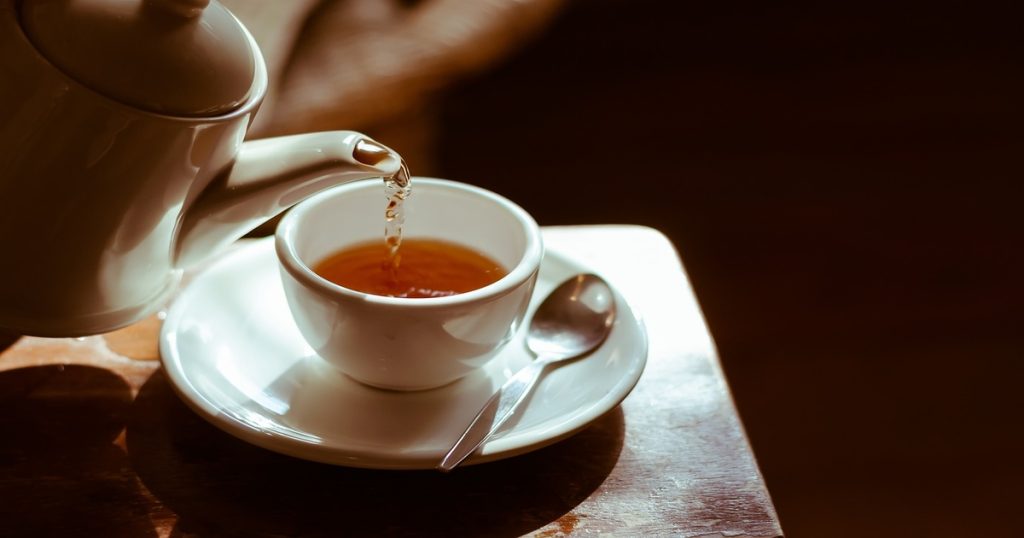
Caffeine content varies widely among different types of tea. Black tea generally contains the most, while herbal teas often have none.
Tea lovers and health-conscious consumers alike frequently seek out information on the caffeine content in their favorite brews. Understanding this can help in tailoring a diet to specific needs, such as reducing caffeine intake before sleep. While black tea takes the lead in caffeine levels, typically offering 40-70 mg per cup, green tea follows with a moderate 20-45 mg.
White tea contains a slightly lower amount, usually around 15-30 mg per cup. On the non-caffeinated end of the spectrum, herbal teas are virtually caffeine-free, making them an ideal choice for those looking to avoid this stimulant. The various caffeine levels present in different teas are a result of differences in processing and the part of the plant used. This knowledge empowers tea drinkers to make informed choices that align with their lifestyle and wellness goals.
Caffeine In Tea Overview
For many of us, the day doesn’t start until we’ve had our first sip of tea. But beyond the comfort and ritual, it’s important to consider the caffeine content that each type of tea contains. Tea is the second most consumed beverage in the world after water, and its caffeine content is often discussed and compared to that of coffee. Various factors influence the caffeine level in tea, including the type of tea, the part of the plant used, processing methods, and brewing time. Understanding these nuances can help tea drinkers make informed decisions about their caffeine intake.
Exploring The Presence Of Caffeine In Various Tea Varieties
Tea comes in several varieties, each with its own unique profile of flavor, aroma, and caffeine content. The most commonly consumed teas—black, green, white, and oolong—are all derived from the same plant, Camellia sinensis. The caffeine content can vary significantly between these types:
- Black Tea – Typically has the highest caffeine content, averaging between 40-70mg of caffeine per 8 oz cup.
- Green Tea – Contains less caffeine than black tea, usually around 20-45mg per 8 oz cup.
- White Tea – Contains the least caffeine of all the traditional teas, ranging from 15-30mg per 8 oz cup.
- Oolong Tea – Contains a moderate amount of caffeine, generally between 30-50mg per 8 oz cup.
Herbal teas, such as peppermint or chamomile, are naturally caffeine-free as they are not made from the tea plant but from infusing herbs, flowers, or fruits.
Understanding How Caffeine Affects The Body
Caffeine is a stimulant that has a noticeable effect on the body and mind. It can increase alertness, improve concentration, and even enhance physical performance. Despite its benefits, caffeine can also cause jitters, anxiety, and disrupt sleep patterns if consumed in large quantities. The response to caffeine varies from person to person based on individual tolerance and metabolism.
Distinguishing The Caffeine Content In Tea From That In Coffee
While both coffee and tea naturally contain caffeine, the levels present in a typical serving are quite different. An 8 oz cup of coffee generally contains between 80-100mg of caffeine, which is significantly higher than most teas. However, this is not just a comparison of numbers; the experience of caffeine from tea is also different because of the presence of a compound called L-theanine which, in combination with caffeine, provides a more modulated and smoother stimulation than coffee.
| Beverage | Caffeine Content (Approx.) |
|---|---|
| Coffee (8 oz) | 80-100mg |
| Black Tea (8 oz) | 40-70mg |
| Green Tea (8 oz) | 20-45mg |
| White Tea (8 oz) | 15-30mg |
| Oolong Tea (8 oz) | 30-50mg |
Types Of Tea And Caffeine Levels
Caffeine is a natural stimulant and one of the reasons so many people love their daily tea ritual. But how much caffeine does each type of tea contain? Different teas, from black to green, white to oolong, each carry varying levels of this energy-boosting compound. Understanding the nuances can help tea enthusiasts make informed decisions about their caffeine intake. Let’s explore the intriguing world of tea and how its processing affects caffeine levels.
Examining Caffeine Content In Black, Green, White, And Oolong Teas
Tea types differ vastly in their caffeine content, largely due to factors like oxidation and maturity of the leaves. Generally:
- Black Tea: Tends to have the highest caffeine content, typically ranging between 40 and 70 milligrams per cup.
- Green Tea: Offers a moderate caffeine level, usually around 20 to 45 milligrams per cup.
- White Tea: Known for its delicacy, it has the lowest caffeine levels, typically between 15 and 30 milligrams per cup.
- Oolong Tea: Falls somewhere between green and black teas, with caffeine content varying from 30 to 50 milligrams per cup.
Comparing The Processing Methods And Their Impact On Caffeine
Processing plays a crucial role in determining the caffeine content of tea. Here’s a quick overview:
| Tea Type | Processing Method | Caffeine Impact |
|---|---|---|
| Black | Full oxidation | Increases caffeine concentration |
| Green | Minimal oxidation | Preserves natural caffeine levels |
| White | Very minimal processing | Lowest impact on natural caffeine levels |
| Oolong | Partial oxidation | Moderate increase in caffeine |
The Role Of Tea Leaves’ Age And Size In Caffeine Concentration
Tea leaves’ age and size contribute significantly to caffeine content. A closer look reveals:
- Younger leaves and buds, which have more concentrated sources of caffeine, result in a higher caffeine level in the brew.
- Older leaves tend to have lower caffeine content due to the longer maturity period.
- The size of the leaf also matters; finely cut tea leaves used in tea bags often infuse more caffeine compared to loose-leaf teas.
Energize Your Sips!
Tea isn’t just a soothing drink; it’s also a vibrant way to add a burst of energy to your day. Whether you are a green tea enthusiast or a black tea devotee, understanding how caffeine works in different types of tea can help you maximize your infusion of vitality. Let’s dive into the world of tea and its energizing properties!
Brewing time is a critical factor in determining the caffeine content in your tea. Here’s how it works:
- Shorter brewing times (1-2 minutes) result in a lighter cup with less caffeine.
- For a moderate caffeine kick, steep your tea for 3-5 minutes.
- Brewing for over 5 minutes often leads to the release of more caffeine, but be wary of over-extraction which might result in a more bitter taste.
Brewing the perfect cup of tea is akin to a science experiment: Time it right for an energizing effect that suits your needs.
To make the most of caffeinated teas, timing is everything. Consider these tips:
- Begin your morning with a brisk cup of black or oolong tea to awaken your senses.
- A mid-morning green tea can provide a smooth transition into your day’s tasks without the jitters.
- Avoid caffeinated teas in the late afternoon or evening to ensure they don’t interfere with your sleep cycle.
Sync your tea times with your body’s rhythm for an optimal energy boost, creating a harmonious balance that powers you throughout the day.
| Activity | Tea Pairing | Benefit |
|---|---|---|
| Morning Workout | Yerba Mate | Enhances performance with sustained energy. |
| Work or Study Sessions | Matcha | Improves focus with a controlled energy release. |
| Afternoon Slump | White tea | Revitalizes the mind without overstimulation. |
Align your tea choices with your daily activities to enjoy a consistent and enjoyable energy boost. Whether you’re powering through a workout or pushing past the afternoon slump, the right tea can make all the difference.
Herbal Teas: Zero Caffeine
Exploring the realm of teas unveils a spectrum of flavors and health benefits that cater to a variety of preferences and dietary needs. Among the vast selections, herbal teas stand out as a beloved caffeine-free alternative for those looking to reduce their caffeine intake or avoid it altogether. Unlike traditional teas from the Camellia sinensis plant, which contain varying levels of caffeine, herbal teas offer a peaceful indulgence that can be enjoyed at any time of the day or night without the worry of caffeine-induced side effects.
Identifying Caffeine-free Tea Options For Sensitive Individuals
For individuals sensitive to caffeine, the search for the perfect warm beverage can be daunting. The unwelcome effects of caffeine can disrupt sleep and increase anxiety, making the caffeine-free nature of herbal teas a soothing solution. Herbal teas, such as chamomile, peppermint, and rooibos, not only taste delightful but also ensure a calm and relaxed experience. Here are some of the top caffeine-free tea options:
- Chamomile Tea: Renowned for its calming properties.
- Peppermint Tea: Offers a refreshing minty lift without caffeine.
- Hibiscus Tea: Known for its vivid color and tart flavor.
- Rooibos Tea: Celebrated for its rich, earthy taste and antioxidant benefits.
- Lemon Balm Tea: A citrusy option that aids in relaxation.
Discussing The Benefits Of Herbal Infusions And Their Energizing Properties Sans Caffeine
Herbal infusions are not only free from caffeine but also packed with an array of benefits that can energize the body and mind. These natural brews can be a source of hydration, a boost for the immune system, and a provider of essential vitamins and minerals. The stimulating effects of herbal teas come from their unique blends of herbs, spices, and botanicals that can invigorate the senses without the jitters associated with caffeine. Examples include:
| Herbal Tea | Key Benefits |
|---|---|
| Ginger Tea | Eases digestion and provides a warming sensation. |
| Licorice Root Tea | Supports adrenal function and soothes the throat. |
| Echinacea Tea | Commonly used to fend off colds and infections. |
| Dandelion Tea | Supports liver health and detoxification. |
Herbal teas present an invigorating experience for those desiring vitality without caffeine. Their complex flavors and aromas can boost well-being and even elevate mood. With a diverse range of options available, finding a herbal blend that tickles your taste buds, while contributing positively to your health, is both simple and enjoyable.
Maximizing Tea Benefits
Teaming with diverse flavors and aromas, tea is not just a comforting beverage but a source of natural caffeine. The art of maximizing tea benefits lies in understanding not only the caffeine content but also the harmonious interplay with other healthful compounds. Whether seeking an energy boost or aiming to soak in the myriad of antioxidants, navigating the world of teas can elevate both your physical and mental wellbeing.
Balancing Caffeine Intake With Tea’s Other Healthful Compounds
While caffeine is renowned for its stimulating effects, tea offers a bounty of other compounds that contribute to its health benefits. These include catechins, flavonoids, and theanine, which jointly work to improve heart health, aid in digestion, and promote relaxation. The key to maximizing the benefits of tea is balancing caffeine with these components:
- Select the right type of tea: Green, black, white, and oolong teas each possess a unique profile of caffeine and antioxidants. Choose based on your caffeine sensitivity and health goals.
- Consider brewing time and temperature: Longer brewing times and higher temperatures typically extract more caffeine. For a lower caffeine dose, opt for shorter brews with cooler water.
- Opt for whole-leaf teas: These often contain more of tea’s beneficial compounds compared to their processed counterparts.
Optimal Consumption Practices To Harness The Full Potential Of Tea’s Energizing Properties
To make the most of tea’s invigorating properties, paying attention to consumption practices is paramount. Here are a few strategies to enjoy sustained energy from your cup:
- Keep a consistent tea-drinking schedule. Consuming tea at the same time each day regulates the body’s absorption of caffeine and antioxidants.
- Infuse tea with healthy fats or protein, such as a splash of milk or a small snack, to slow down caffeine absorption and extend its energizing effects.
- Stay hydrated. Tea is diuretic, so balancing it with water consumption maintains hydration levels and enhances natural energy.
| Tea Type | Average Caffeine Content | Recommended Intake |
|---|---|---|
| White Tea | 15-30 mg per cup | 2-3 cups daily |
| Green Tea | 25-50 mg per cup | 3-4 cups daily |
| Oolong Tea | 30-50 mg per cup | 2-3 cups daily |
| Black Tea | 40-70 mg per cup | 1-2 cups daily for caffeine sensitive individuals |
Frequently Asked Questions Of Caffeine In Different Types Of Tea
Which Tea Is Highest In Caffeine?
Black tea typically contains the highest caffeine content among teas. Matcha, a powdered green tea, also boasts high caffeine levels.
What Tea Has Least Caffeine?
White tea typically contains the least amount of caffeine among the true teas. Opting for herbal teas, such as peppermint or chamomile, guarantees virtually no caffeine.
How Much Caffeine Is In Each Kind Of Tea?
Caffeine levels in tea can vary, with white tea generally containing 15-30 mg per cup, green tea around 30-50 mg, oolong 50-75 mg, and black tea 40-90 mg. Herbal teas typically have little to no caffeine.
Does Earl Grey Tea Have Caffeine?
Yes, Earl Grey tea contains caffeine, typically ranging from 30-60 milligrams per 8-ounce cup.
Conclusion
Navigating the landscape of caffeine in tea can be intricate. Every tea type offers a unique buzz, from green to black, oolong to white. Understanding these differences can elevate your tea-drinking experience. Embrace the warmth of your next cup, informed and ready for the ideal caffeine kick.
Here’s to finding the perfect blend for your lifestyle and energy needs!