
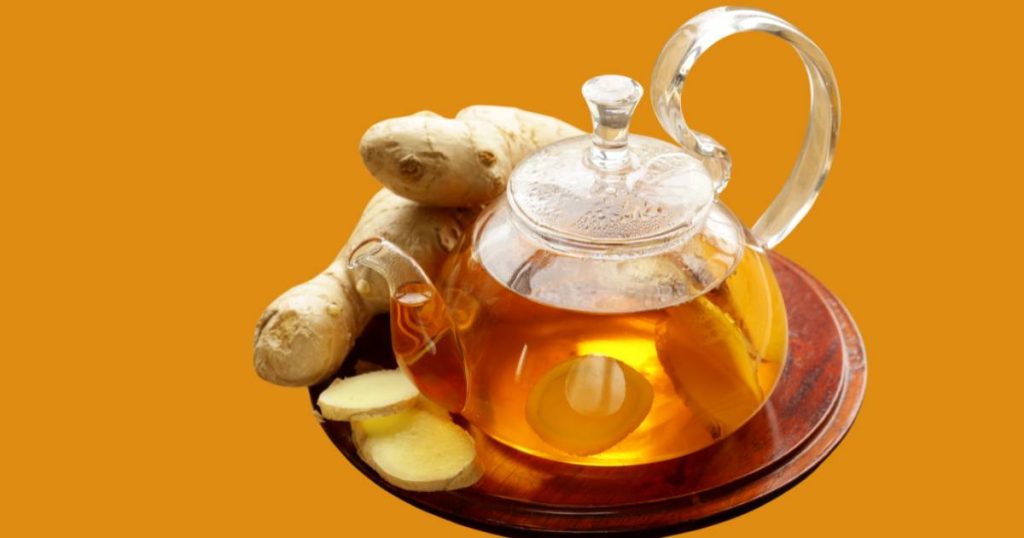
Drinking ginger tea in moderation is generally safe during pregnancy. It is essential to consult your healthcare provider first.
Ginger tea, a comforting and flavorful drink, provides numerous health benefits, including nausea relief which is a common concern during pregnancy. Pregnant women often seek natural remedies for morning sickness and ginger is renowned for its soothing properties. Although it’s safe, excessive intake of ginger can pose risks, so moderation is key.
Ensuring safety and understanding the benefits and limitations of consuming ginger tea while expecting is vital. It’s crucial to maintain a balanced approach to dietary choices, especially with herbal supplements and teas, to safeguard both maternal health and fetal development during this delicate time.
The Ginger Debate
Welcome to the ‘The Ginger Debate’. When expecting, it’s crucial to monitor what you consume. Ginger tea sparks a conversation among moms-to-be due to its potential benefits and risks during pregnancy. Let’s delve into whether it’s safe to sip this spiced infusion when you’re expecting.
Prevalence Of Ginger Tea In Pregnancy
Many pregnant women turn to ginger tea to ease morning sickness. Its soothing properties have been widely recognized. Here are key points on its prevalence:
- Morning sickness relief: Ginger eases nausea and vomiting.
- Common recommendation: Doctors may suggest it as a natural remedy.
- Cultural popularity: Different cultures have used ginger for centuries during pregnancy.
Potential Risks And Concerns
Despite its common usage, ginger tea carries potential risks. Always discuss with a health professional before adding it to your diet.
| Risk Factor | Concern |
|---|---|
| Blood thinning | Ginger might affect blood clotting. |
| Contractions | High amounts may induce contractions. |
| Heartburn | Some may experience heartburn or discomfort. |
Consume ginger tea in moderation. Knowledge of its potential risks is vital for making informed choices for you and your baby’s well-being.
Ginger Tea Benefits
Expecting mothers often seek natural remedies to common pregnancy discomforts.
Ginger tea is popular for its health benefits.
It may offer comfort and relief during pregnancy.
Let’s explore how ginger tea can be helpful.
Nausea And Morning Sickness Relief
Many pregnant women experience nausea and morning sickness.
Ginger tea might reduce these symptoms.
Studies suggest ginger’s compounds help settle the stomach.
- May reduce frequency of nausea
- Potentially lessens the severity of sickness
- Supports overall well-being
Digestive Aid Properties
Ginger has been used as a digestive aid for centuries.
Ginger tea can aid in soothing the digestive tract.
This may encourage normal digestion and alleviate discomfort.
| Property | Benefit |
|---|---|
| Carminative Effect | May reduce gas and bloating |
| Anti-inflammatory | Can calm an upset stomach |
| Gastroprotective | Helps maintain a healthy gut |
Medical Insights of Ginger Tea
Ginger tea is a popular beverage enjoyed worldwide for its spicy flavor and health benefits. Pregnant women often consider ginger tea for its alleged benefits, such as reduced nausea and morning sickness relief. But is it safe? Here we delve into medical insights from experts and research studies on the safety of consuming ginger tea during pregnancy.
Expert Opinions On Safety
Many health professionals consider ginger tea in moderate amounts safe for pregnant women. Doctors recommend that the intake should not exceed 1-2 cups per day. Excess consumption may lead to complications, as ginger possesses blood-thinning properties. It’s essential to look into ginger’s effects on each individual. Consultation with a healthcare provider before adding it to one’s diet is a critical step. This ensures it aligns with one’s health profile and pregnancy needs.
Research Findings
- Studies in reputable journals suggest ginger’s efficiency in reducing morning sickness; it supports ginger tea as a natural remedy within safe consumption levels.
- Research points out that low doses of ginger are generally safe for pregnant women and can ease nausea.
- A comparison of different studies found no increased risk of birth defects or side effects when ginger was used correctly.
Limiting intake and adhering to recommended doses are emphasized. Anecdotal reports align with research findings, yet they also underscore the need for personalized approaches.
Serving Sizes And Limitations of Ginger Tea
Ginger tea offers warm comfort and potential health benefits. For pregnant individuals, it’s critical to understand the serving sizes and limitations to ensure the safety of both mother and baby. Let’s dive into the specific recommended dosages and know when to exercise caution.
Recommended Dosages
Health experts often suggest moderation in the consumption of ginger tea during pregnancy. A common agreement is leaning towards a daily maximum of 1-1.5 grams of ginger. This equates to about 2-3 cups of ginger tea. Following these guidelines can provide the anticipated benefits without overconsumption risks.
- Limited to 2-3 cups daily
- Maximum of 1-1.5 grams of ginger
- Measure ginger intake in all forms
| Ginger Form | Quantity | Equivalent Cups of Tea |
|---|---|---|
| Raw Ginger | 1-1.5 grams | 2-3 |
| Ginger Tea Bag | 1 Bag | 1 |
When To Exercise Caution
Particularly in pregnancy, one’s body is more sensitive. Excessive ginger can lead to complications, such as heartburn or increased bleeding risk. If there are pre-existing conditions, like gallstone disease or blood disorders, consulting a healthcare provider becomes essential. Key moments of caution include:
- Prior history of miscarriages
- Known blood clotting disorders
- Close to delivery (due to bleeding risk)
- In case of gallstones or similar conditions
Each body is unique, tailor your ginger intake accordingly. Consult your doctor before adding or increasing ginger tea in your diet. Listen to your body, and ensure you stay in the recommended limits for a healthy pregnancy.
Alternative Options
Expecting mothers often seek comfort in soothing teas but wonder about their safety during pregnancy. Ginger tea is a common choice for morning sickness, yet concerns about its safety linger. Here, we discuss herbal and non-herbal options that are regarded as safe during pregnancy.
Safe Herbal Teas For Pregnant Women
Pregnant women can enjoy a variety of herbal teas with peace of mind. Experts recommend sticking to familiar and research-backed options:
- Rooibos: Rich in antioxidants, it supports immune health.
- Peppermint: Known for its soothing effect on the stomach.
- Lemon Balm: A calming herb that aids in relaxation.
Note that moderate consumption is key; limiting intake to a few cups per day is best.
Non-herbal Nausea Remedies
For those wary of any herbal concoctions, consider these simple, non-herbal techniques to help with pregnancy-related nausea:
| Method | Description |
|---|---|
| Small, frequent meals | Avoid an empty stomach which can trigger nausea. |
| Fresh air | Take short walks or keep a window open to reduce queasiness. |
| Cold foods | These often have less smell and are more tolerable. |
Also, staying hydrated and sniffing fresh scents like lemon or mint can provide instant relief.
Making An Informed Choice
The decision to drink ginger tea during pregnancy requires a blend of personal choice and medical advice. Pregnant women often seek natural remedies for morning sickness. Ginger tea is one common suggestion. But it is essential to assess its safety for both the mother and the unborn child. Making an informed choice involves taking into consideration the latest research and consulting healthcare experts.
Consulting Healthcare Providers
Before adding ginger tea to your diet, talking to a doctor or midwife is a must. They have the expertise to guide on how much ginger is safe. They take into account personal health history.
- Discuss ginger tea benefits and risks.
- Understand possible interactions with other medications.
- Get a tailored recommendation.
Ginger affects each pregnancy differently. A healthcare provider offers personalized advice.
Personalizing Your Pregnancy Diet
Your body needs special care during pregnancy. Not all foods and drinks are safe. Ginger tea is no exception. Respect your body’s unique needs.
| Consideration | Action |
|---|---|
| Medical history of the mother | Review and adjust diet accordingly |
| Current pregnancy health | Monitor body responses to ginger tea |
| Daily amount of ginger | Stay within recommended limits |
Each pregnancy is unique. Adapt your diet to fit your health needs. Listen to your body’s signals. Balance is key.
Remember, moderation is crucial. It ensures you reap the benefits without risking health. Always prioritize safety.

Credit: americanpregnancy.org
Frequently Asked Questions On Is It Safe To Drink Ginger Tea While Pregnant
Can Ginger Tea Harm Pregnancy?
No, ginger tea is generally considered safe during pregnancy when consumed in moderation. Studies suggest that it can even help ease morning sickness. However, it’s important to limit intake to less than 1 gram of ginger per day.
Is Ginger Tea Good For Pregnant Women?
Yes, ginger tea can be beneficial for pregnant women, especially for reducing nausea and vomiting associated with morning sickness. It also aids digestion. Yet, moderation is key, and it’s advisable to consult with a healthcare provider before regular consumption.
How Much Ginger Tea Is Safe During Pregnancy?
Pregnant women should limit their intake of ginger tea to avoid exceeding 1 gram of ginger per day. Usually, this means not more than 2 to 3 cups of mildly brewed ginger tea. Always ensure that the tea is made with real ginger root.
What Are The Risks Of Ginger Tea When Pregnant?
Excessive intake of ginger tea during pregnancy may lead to heartburn, stomach upset, or increased risk of bleeding. It is important to consume it in moderation and consult with a healthcare provider if you have any underlying health conditions.
Conclusion
Navigating dietary choices during pregnancy can be daunting. Ginger tea, known for its soothing properties, may offer comfort with caution. To ensure safety, consulting healthcare professionals and sticking to recommended amounts is key. Embrace a balanced approach for both the wellness of expectant mothers and their growing babies.
Cheers to a healthy journey!