
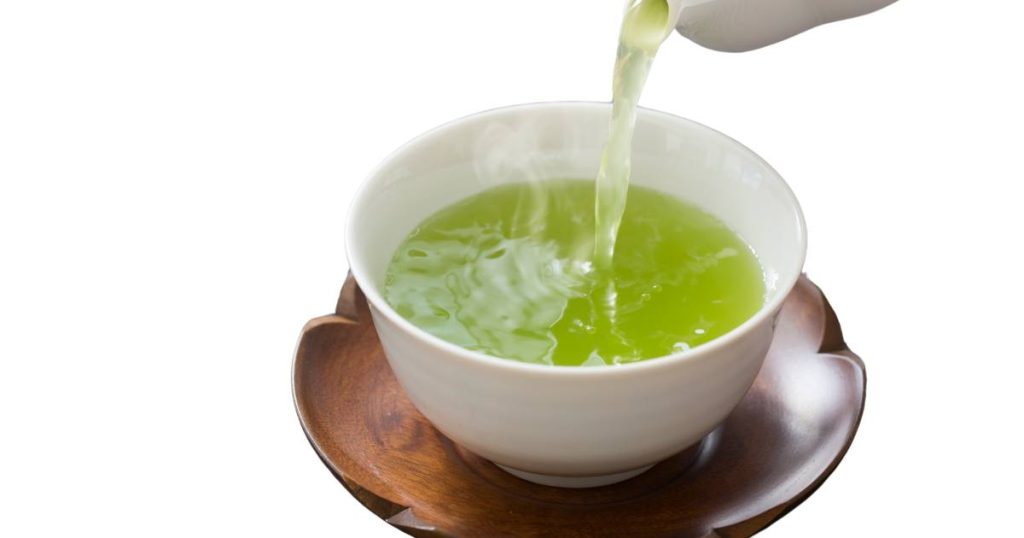
Drinking green tea while pregnant is generally considered safe but moderation is key. Limit intake to 1-2 cups per day to avoid excessive caffeine.
Green tea, a popular beverage enjoyed worldwide for its taste and health benefits, may pose certain considerations for pregnant individuals. Its caffeine content, while lower than that of coffee, necessitates a close watch on daily consumption to ensure maternal and fetal safety.
Excessive caffeine can lead to complications such as a low birth weight or preterm birth. Therefore, expecting mothers often opt for green tea as a healthier alternative to coffee or black tea, incorporating it into their routine with mindfulness toward moderation. The presence of antioxidants in green tea also contributes positively to overall health, making it a beneficial, albeit limited, choice during pregnancy. Always consult with a healthcare provider to personalize dietary choices to the needs of the pregnancy.
The Popularity Of Green Tea
Green tea has become a staple in many households around the world. Its rise in popularity comes from not just its refreshing taste, but also the claimed health benefits that have captivated the attention of health enthusiasts. For expectant mothers, the question arises: Is this beverage safe during pregnancy? With its rich history and modern appeal, green tea merits a closer examination for pregnant women seeking healthy hydration options.
Historical Use And Modern Surge
Tracing back thousands of years, green tea was a medicinal brew in ancient China. The emperors and common folk alike consumed it for its purported healing properties. Fast forward to today, and green tea is a global phenomenon. Its use has surged, driven by a growing body of research and popular health trends touting its diverse benefits.
Key Ingredients And Their Effects
Green tea’s ingredients are a blend of complexity and simplicity. Here are the core components that expectant mothers need to consider:
- Caffeine – A stimulant that can affect both mother and child. Moderate consumption is key.
- Catechins – Antioxidants that support health but may impact the absorption of folic acid, crucial during pregnancy.
- Theanine – An amino acid known for its calming effects, helpful in managing stress levels.
Each ingredient contributes to green tea’s attributes, influencing safety during pregnancy. Careful consideration of the amount and frequency of intake ensures both the mother’s well-being and the unborn child’s development.

Credit: ujimatchatea.com
Health Benefits Of Green Tea
Exploring the health benefits of green tea reveals a treasure trove of potent properties. This ancient brew, long revered in various cultures, is not just a soothing beverage. It offers a multitude of health advantages that can amplify well-being.
Antioxidants And Their Role
Green tea is a powerhouse of antioxidants. These substances protect our cells from damage. Here are key antioxidants in green tea:
- Catechins: They fight cell damage and support healthy aging.
- Flavonoids: They help maintain heart health and aid in overall vitality.
Weight Management And Metabolism
Green tea is often linked with weight loss. It is due to its role in boosting metabolism. Increased metabolic rate can lead to burning more calories, assisting in weight control. Here’s how green tea aids in this process:
| Component | Effect on Metabolism |
|---|---|
| Caffeine | Mildly stimulates metabolic rate. |
| EGCG | Enhances fat oxidation. |
Cardiovascular Health Enhancement
Regular green tea consumption is associated with lower risk of heart problems. Here’s what it does for cardiovascular health:
- Improves blood flow.
- Decreases the formation of harmful cholesterol.
- Regulates blood pressure.
Pregnancy And Nutritional Cautions
Diet plays a crucial role in a healthy pregnancy. Expectant mothers need to consider their nutritional intake. Certain foods can affect both mother and child.
Dietary Considerations For Expectant Mothers
Eating for two requires careful dietary planning. The right balance of vitamins, minerals, and nutrients is vital. It supports the baby’s growth and mom’s health. A balanced diet includes:
- Plenty of fruits and vegetables
- Whole grains
- Protein-rich foods
- Low-fat dairy
Limits on caffeine and high-mercury fish are also critical. Caloric needs increase, but not excessively. An extra 300-500 calories per day in the second and third trimesters are usually enough.
Common Foods And Beverages To Avoid
Pregnant women should avoid certain items to lower health risks. These include:
| Food/Beverage | Reason to Avoid |
|---|---|
| Raw or undercooked meats | Risk of bacteria and parasites |
| Unpasteurized dairy and juices | Potential exposure to harmful microbes |
| Certain seafood varieties | High levels of mercury |
| Too much caffeine | Linked to miscarriage and low birth weight |
| Alcohol | No safe amount; risk of developmental disorders |
Green tea falls into a gray area due to its caffeine content. Moderate consumption is key. One to two small cups per day should be fine. Always consult with a healthcare provider before making dietary changes during pregnancy.
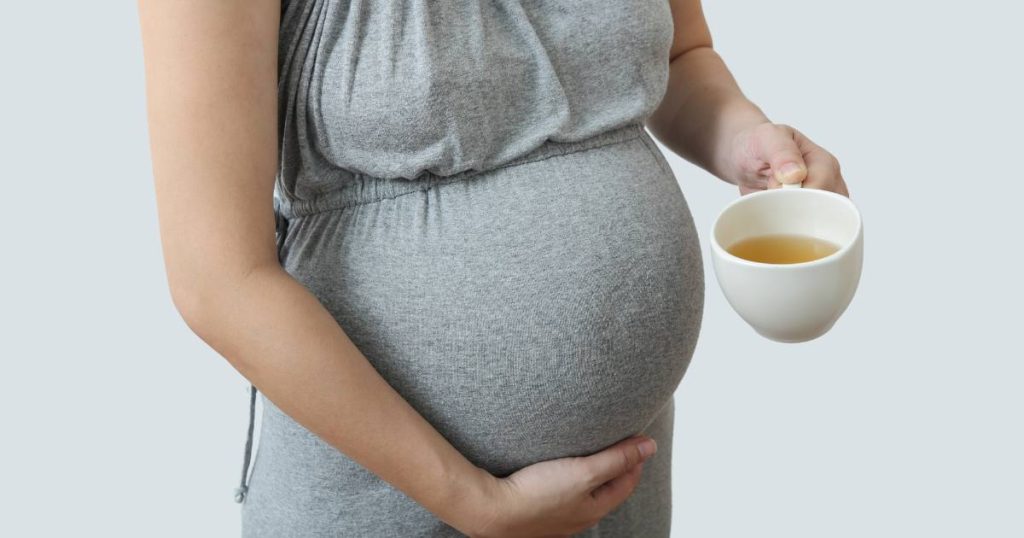
Green Tea And Pregnancy: Debating Safety
During pregnancy, every sip counts. Expecting mothers often question the safety of green tea. This warm cup of health comes with concerns. Let’s explore the debates on its safety.
Caffeine Content Concerns
Green tea contains caffeine, a stimulant mothers are cautioned to limit. The American College of Obstetricians and Gynecologists advises pregnant women to consume less than 200 mg of caffeine daily. A standard cup of green tea has approximately 35 mg of caffeine.
- One cup might be safe, but multiple cups could risk increasing caffeine intake.
- Mind your other sources of caffeine: coffee, soda, and chocolate.
- Opt for decaffeinated green tea as a safer alternative.
Impact On Fetal Development
The influence of green tea on fetal growth raises significant questions. High caffeine intake during pregnancy can result in lower birth weights and an increased risk of developmental issues. Green tea’s antioxidants, though beneficial, also carry risks.
| Antioxidant | Benefit | Potential Risk |
|---|---|---|
| Catechins | Damage protection | Nutrient absorption interference |
| Polyphenols | Cell damage prevention | Possible impact on digestion |
Consider these impacts and consult a healthcare provider before including green tea in your routine.
Research Findings On Green Tea Consumption
Studies show varying outcomes of green tea consumption during pregnancy. Some research hints at possible miscarriage risks. Other studies find no significant harm.
- Green tea may reduce iron absorption, impacting hemoglobin levels.
- Moderation is crucial. Stick to one or two cups if included.
- Always involve your doctor in dietary choices during pregnancy.
Safe Consumption Practices
Expecting mothers often ask about green tea and pregnancy safety. This section looks at how to enjoy green tea responsibly when carrying a bundle of joy. Understanding proper consumption and exploring alternatives ensures both mom and baby stay healthy.
Recommended Daily Intake For Pregnant Women
Green tea has caffeine, a stimulant expectant mothers should consume in moderation. The American College of Obstetricians and Gynecologists suggests a limit of 200 milligrams of caffeine per day during pregnancy. That’s roughly the amount in one to two 8-ounce cups of green tea. Exceeding this may risk birth complications or fetal development issues.
To keep track, consider these tips:
- Monitor servings: A single cup can be enough.
- Tea strength: Light brews have less caffeine.
- Label check: Look for caffeine content on packaging.
Alternatives To Green Tea During Pregnancy
Sometimes, a pregnant tea-lover may need caffeine-free options. Here are comforting and safe alternatives to green tea during pregnancy:
| Alternative Beverage | Benefits |
|---|---|
| Herbal Teas | Caffeine-free; can soothe the stomach. |
| Fruit Infusions | Natural flavors; rich in vitamins. |
| Lemon Water | Hydrating; supports digestion. |
| Decaf Green Tea | Minimal caffeine; retains antioxidants. |
Always opt for decaffeinated versions when possible and consult your healthcare provider about safe options for you and your baby.

Credit: www.everydayhealth.com
Expert Opinions And Guidance
Expecting mothers often ask about safe dietary choices. One common question is about drinking green tea during pregnancy. It’s important to consider what health experts say about this popular beverage. Let’s dive into professional advice and nutrition tips for a balanced pregnancy diet.
Advice From Healthcare Providers
Doctors and nutritionists share vital insights on green tea consumption. They point out the caffeine content as a primary concern. Pregnant women should limit caffeine intake to less than 200mg per day. Green tea typically has 35-70mg of caffeine per cup. So, moderation is key.
Experts also warn about green tea’s potential to inhibit iron absorption. This could affect the fetus’s development. To reduce risks, they recommend consuming green tea between meals rather than with them. Also, pairing it with foods high in vitamin C can help counteract the absorption issue. Iron supplements or foods should be taken a few hours apart from green tea.
Healthcare providers stress the importance of consulting them before making any dietary changes. Each pregnancy is unique, so personalized advice is essential.
Creating A Balanced Pregnancy Diet
Building a nutrient-rich diet supports both mother and baby. Include a variety of fruits, vegetables, whole grains, and proteins. It’s not just about avoiding harmful substances; it’s also about ensuring adequate nutrition.
| Nutrient | Food Sources |
|---|---|
| Folic Acid | Leafy greens, citrus fruits, beans |
| Calcium | Dairy products, tofu, kale |
| Protein | Lean meats, nuts, legumes |
| Iron | Red meat, spinach, quinoa |
- Eat small, frequent meals to manage nausea and maintain energy levels.
- Stay hydrated with plenty of fluids, including water and pasteurized juices.
- Avoid high-mercury fish and unpasteurized dairy to minimize health risks.
Remember, balance is the key to a healthy pregnancy diet. This includes careful consideration of green tea intake.
Frequently Asked Questions For Is It Safe To Drink Green Tea While Pregnant
Can Pregnant Women Drink Green Tea Safely?
Green tea contains caffeine and catechins, which can affect iron absorption. In moderation, about 2 cups per day, it is generally considered safe. However, it’s best to consult with a healthcare provider for personalized advice.
What Are The Benefits Of Green Tea In Pregnancy?
Green tea offers antioxidants that may aid in protecting cells from damage. Its anti-inflammatory properties can also support overall health. Nonetheless, pregnant women should balance these benefits against caffeine intake.
How Much Green Tea Is Too Much During Pregnancy?
Expectant mothers should limit their caffeine intake to 200mg per day. This equates to roughly 2 cups of green tea. Excessive consumption might lead to complications and therefore should be avoided.
Does Green Tea Affect Fetal Development?
High caffeine levels in green tea can cross the placenta, possibly impacting fetal growth. It is important to stay within the recommended caffeine limits to minimize any potential risks to fetal development.
Conclusion
Navigating pregnancy often involves reassessing dietary choices for the health of both mother and baby. Green tea, with its numerous benefits, prompts careful consideration during this special time. To ensure safety, moderation is key and consulting a healthcare provider is vital.
Pregnant women can find balance by enjoying green tea while heeding all medical advice.